Sen Wellness

sunset-yoga-seaview-1

The Times – Best Indian Ocean destinations

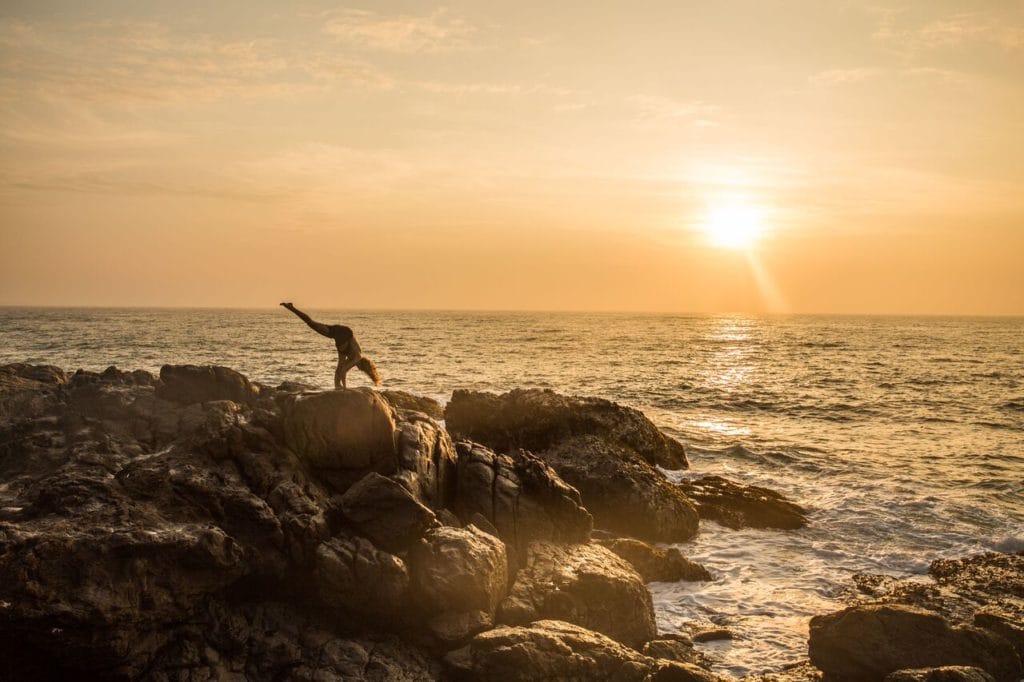
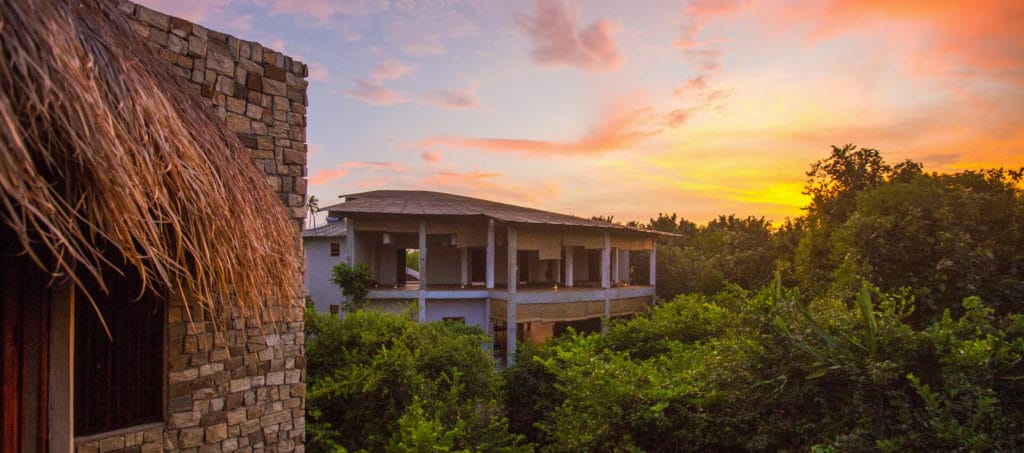
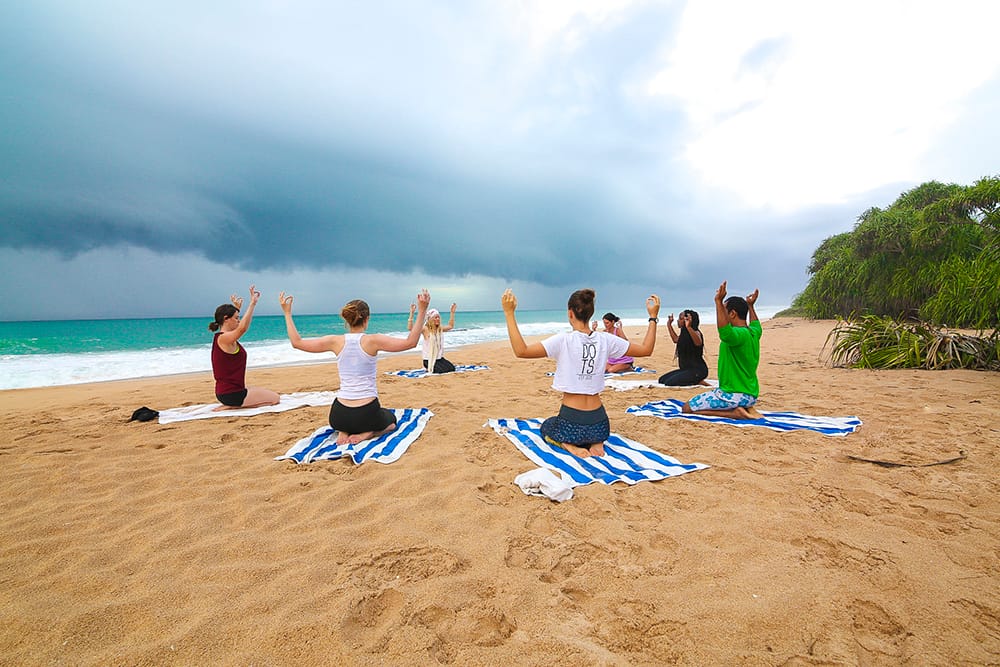
Sri Lanka is gaining ground on India as a destination, and one of its leading lights is Sam Kankanamge. He splits his time between London, where he is one of Harley Street’s most in-demand osteopaths, and Sen Wellness Sanctuary outside Tangalle. This place is the very definition of slow travel: days segue from sunrise yoga, to a paddle in the Indian Ocean, to soothing Ayurvedic treatments (guests have up to three a day). Afternoons are for walks in nearby Rekawa Nature Reserve. The pace hits full-on snail by early evening with meditation sessions, often led by a Buddhist monk. Most guests are in their thatched cabanas, zonked out, by 8pm. Featured in The Times Best Indian Ocean destinations

The Times – Best Indian Ocean destinations Read More »

ocean-vibrant-blue-2048x1365

Successfully treating Long-Covid

By Sam Kankanamge, Osteopath & Founder of Wimpole Street’s Sen Wellness Clinic. Over the last 12 months, I have successfully treated some 55 patients, aged between 20 and 70, who were suffering from the symptoms of Long-COVID. In order to treat each patient to the best of my ability, I have consistently kept an eye on the latest medical research and news. Whilst there’s now a picture of Long-COVID symptoms, doctors seem to be advocating a combination of symptom management with a focus on boosting the immune system long-term. I have not been able to discover any evidence-based treatments. The reason for writing this article is to share what I’ve learnt from treating a wide variety of patients. I want to get the message out that it is possible to treat the most common Long-COVID symptoms of debilitating fatigue and brain fog. In the UK only a tiny percentage of people who contract COVID need hospital treatment. Most battle the illness at home and it was only in November last year that the NHS announced 40 new clinics opening to study Long-COVID. Official data suggests that a fifth of people with coronavirus still have symptoms five weeks after becoming infected, with one in ten symptomatic for twelve weeks.  A recent study carried out in Wuhan found that three in four people hospitalised with COVID-19 still had symptoms six months after being discharged. It is troubling to reflect that most of these people have no access to medical advice or treatment and living with their symptoms is likely to aggravate their stress levels with a knock-on impact on their mental health. Whilst I lead a holistic healthcare centre, my primary training as an osteopath means that I tend to analyse patients from an osteopathic perspective first.  Many people think osteopathy is just structural, solely treating musculoskeletal issues, but in fact goes beyond this to help regulate and optimise health on a multisystemic level treating the nervous, lymphatic, endocrines (hormonal), and immune systems. This multisystemic approach is where Western medicine falls short. In treating my Long-COVID patients it’s clear they’re not suffering from an isolated issue. Multiple systems, (including multiorgan system, endocrine, lymphatic, nervous and musculoskeletal) have been fatigued and exhausted by the virus.  In response, a holistic and integrative approach has significantly, and at times after a single treatment, aided the recovery of my patients. CASE STUDY: Charlotte, 38, contracted COVID-19 in March 2020 and was initially ill for three weeks with fever and breathlessness. After almost completely recovering, further waves of fever followed. Despite the hot weather over the summer months, and usually resilient to the cold, she spent several weeks indoors wrapped up in layers of clothing. Next came the spiralling infections over an eight to 10 week period. Symptoms included sinus and throat infections, which appeared to be localised and were unsuccessfully treated with antibiotics. Three months on from when she first became ill, she suffered from bad headaches and fatigue and sought treatment. After four osteopathy and cranial osteopathy treatments, her health has almost returned to the same as before she caught the virus. “What was most striking to me was how this was not like normal flu where you would expect to bounce back. I had a severely weakened immune system, resulting in multiple secondary infections, as well as several post-viral symptoms.  I needed an additional intervention and one that treated all the body’s systems. I doubt I would have made a full recovery without these treatments.” The most widespread symptom among Long-COVID sufferers is muscle fatigue and weak muscle tone underlying the common thread of debilitating fatigue.  This is also common with post-viral chronic fatigue where, before recovery, there’s a chemical process that results in mild inflammation within the musculoskeletal and multiorgan system. I have consistently detected inflammation of the muscles and connective tissue in my Long-COVID patients. Those who have previously led very physical and active lifestyles find even gentle stretching stressful.  With the musculoskeletal system unable to support the body’s frame, patients experience a general sense of restriction and fatigue.  Many find it difficult to carry out even basic everyday tasks and functions. CASE STUDY: Clare, 56, spent two weeks bedridden with the virus in April 2020, with a fever, breathlessness, and extreme fatigue. She had rashes on her fingers and toes, and her sense of taste and smell were also altered. Further knocks to her health came in four waves over the next month, including debilitating tiredness and hot flushes. After this, she was able to resume some of her usual daily tasks. However, she began to suffer from aches and pains, particularly in her hips and coccyx. A course of treatments has been focused on addressing the muscle fatigue and weak muscle tone endemic to Long-Covid and chronic fatigue syndrome with osteopathic techniques and acupuncture. “In the past, I’ve been highly responsive to treatment at the Clinic for aches and pains. What has struck me, in this case, is how much the virus has exacerbated these underlying issues. The long-tail impact of the virus has really weakened my muscles. Each time I have a treatment, I make progress and get stronger. Now that I’m almost back to full health, I’m increasing my yoga practice and returning to gardening, and I’m hopeful that soon I’ll l be able to resume these activities to the same level as before.” My cranial osteopathic training enables me to work beyond the musculoskeletal system to analyse the movement and alignment of the central nervous, glandular, lymphatic and multiorgan system.  Long-COVID patients often present with a congested lymphatic system, which is unsurprising as this is one of the most active defensive mechanisms under viral attack.  Patients I have treated consistently present with exhausted lymphatic systems, especially in the major lymph glands. In healthy central nervous systems the spinal fluid has a natural coiling and uncoiling motion, similar to the pulse of the cardiovascular system.   In Long-COVID patients, the fluid feels static and congested, as does their connective

Successfully treating Long-Covid Read More »

image00001-6-2048x1536

Sanctuary Sessions: Mark Ford’s Peaceful Shift of Perspective

It was an honour to host Mark as a guest at the Sanctuary in April. He has kindly offered to share his reflections with us in the first of our new Guest Interview series. Why did you decide to come on retreat at Sen Wellness Sanctuary when you did? I needed a break, and some friends who know me well suggested that this type of retreat might be just what I need. Had it not been for the pandemic, I may have opted to travel somewhere else. Thank heavens for COVID! How did you find the wellness programme, including yoga classes and Ayurvedic treatments? I was a tad hesitant at first. As a yoga newbie, I felt a little daunted coming into this experience, not knowing what to do or how to do it. The yoga teacher was excellent; she has this sunny manner that was infectious. You settle into the yoga bit by bit, day by day, and before you know it, it all becomes second nature. Each day the boundaries of what you can do increase further, and without realising, you improve. The herbal medicine became a ritual that we’d laugh about over breakfast and dinner. We always made sure we left something sweet to balance the sharpness. Balance and sharpness is a relevant metaphor for my overall experience. Other than balance, one of the other benefits of the wellness programme was increased sharpness. Rising early, more focused, a better mood in general and more energy to do whatever I needed to do, whether reading a book or my own workout session. The biggest hurdle was the detox day, designed to clear the system. I put this off for a day or two, although it was much easier than I thought it would be. After the cleanse, my system felt much more efficient at processing everything I put into my body. How did the food at the Sanctuary differ from your usual diet back home? And how did you feel after detoxing? Ordinarily, I’d eat meat four or five times a week and have two to three cups of coffee and black tea a day, with biscuits. I rarely paid attention to whether what I was eating contained wheat, yeast, sugar, gluten, MSG, or other preservatives. Along with 20-40 units of alcohol a week, these habits meant that my stomach was almost always bloated. It took me a few days to adjust to the food at the Sanctuary. I couldn’t taste much at first due to the amount of salt and pepper I usually add to my food sometimes without even trying what was in front of me. However, the effect on my system was almost immediate. The bloating subsided, and going to the bathroom was an easier and more pleasant experience. What were the major shifts you experienced on retreat – on the physical, mental, emotional and spiritual levels? The physical changes were both internal and external. Internally my body functioned noticeably better. It also said, “thank you”. At bedtime, I especially noticed the absence of that uncomfortable feeling usually present before sleep. Mentally, I noticed a new ability to calm my usually erratic thought patterns. At home, night time was the worst for me; problem-solving in bed was the norm, and sleep was broken and restless. At the Sanctuary, I read and had a sound, calm sleep. This may have been in part due to the lack of phone use in the bedroom, but I think it’s the complete package at Sen. On the emotional and spiritual levels, I was much calmer whilst I was at the Sanctuary. I felt an almost immediate shift after walking into the retreat centre. I have retained some of this sense of peace since returning to the UK. It helps when I practice yoga. Was there anything unexpected about your time at the Sanctuary? I think that the warmth, kindness, and openness of the people – staff and guests – was unexpected for me at the Sanctuary. Will you be making any changes to your lifestyle or self-care routine now that you are back home? I hope to keep some of the changes in my day-to-day life, having returned from the Sanctuary. I know that this may be challenging at times, but it is worth persisting. I have one good week behind me, last week was less good, but this week will be better. What are the stand out memories or impressions from your time with us? The Sanctuary and the people that I met while I was there encouraged me to be aware. Aware of how I may be feeling. Of how the food, liquid and medicines that I put into my body affected me. Of how my surroundings infiltrated my senses. The sound of the sea, nature. Without the constant distraction of gadgets distracting me, I could feel, see and be more me; a child-like me, more engaged and curious. From this place of heightened awareness, I was more tuned in to others and more connected. What would you say to anyone who feels unsure about whether this is the right experience for them? To anyone considering a trip to Sen Wellness Sanctuary, my advice is don’t give it a second thought! Something is drawing your eyes this way, so take the time to follow them. Leave home without any expectations. Allow your mind to be empty as soon as you book your trip. Know that when you arrive that you will be made to feel comfortable and welcome. Soon you will start to feel better, very much better. You have nothing to lose by trying something new. I had no idea what I was going to find when I left the UK. I trusted my friends’ judgement and that I would enjoy the experience and feel renewed by it. And that’s what transpired to be true. Get in touch with our enquiries team today to book your transformational retreat at the Sanctuary. 

Sanctuary Sessions: Mark Ford’s Peaceful Shift of Perspective Read More »

kristinakashtanova_week5-1

TASCHEN – Salute the Sun in Flip-Flops

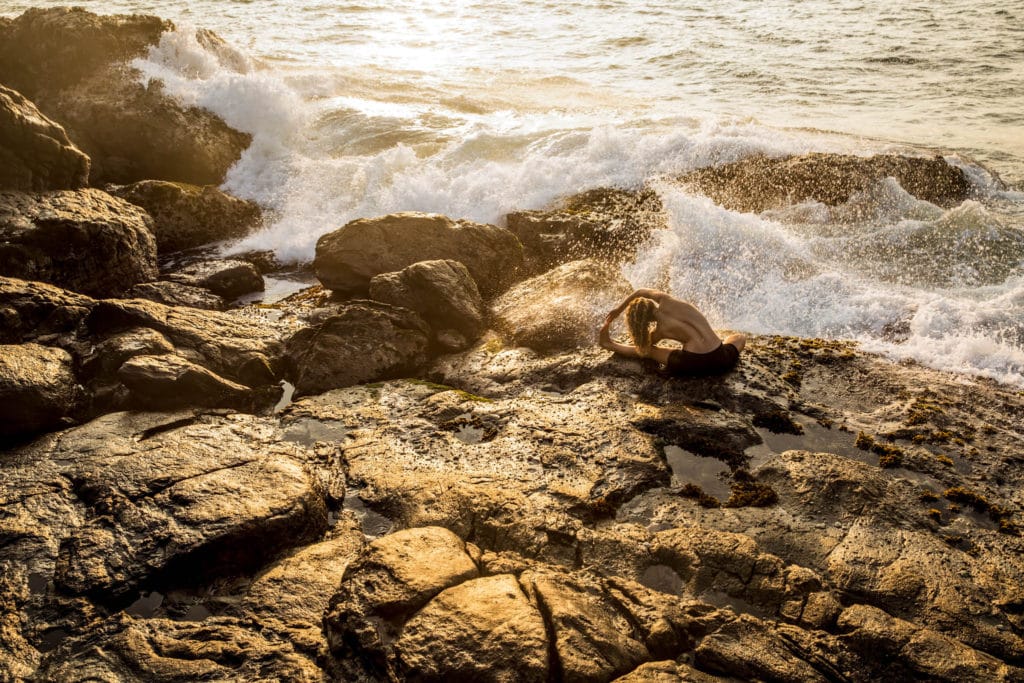
Agreed, there are more exciting things than meditation, but that is only the opinion of people who have never meditated on Rekawa Beach in Sri Lanka. Under the gentle direction of Buddhist monks, it is simply easier to draw the senses inwards. Just when you think that you never want to cease doing Pratyahara, the Kundalini teachers await you in the airy yoga shala with a view of the wild greenery of the surrounding gardens. You can have a Shirodhara (oil poured on the forehead) or one of the other luxurious Ayurvedic treatments that the well-known founder of the Sanctuary, the osteopath Sam Kankanamge, provides; or take a walk through the mangrove wood, accompanied by shy little monkeys; or have a consultation with one of the excellent Ayurvedic doctors, who attend to each and every problem, regardless of whether it is large or small. But even if you do not suffer from insomnia, skin complaints or depression, here on the south coast of Sri Lanka you can relax wonderfully well. Even guests who otherwise cannot take their eyes off the Wall Street figures on their screen leave their smartphones in flight mode here and watch green turtles cautiously coming out of the sea to lay their eggs. At the end of a stay here, everyone takes off their flip-flops because, never mind dosha, after a delicious cocoa ceremony, transformed and refreshed, there is only one thing you want to do: dance. Book to pack: “The Remains of Love” by Zeruya Shalev. Featured in TASCHEN’S Great Escapes Yoga: The Retreat Book (Pp. 61-63).

TASCHEN – Salute the Sun in Flip-Flops Read More »

slide2

AFAR – 6 Solo Wellness Trips to Book in 2021

If you want nonstop zen Head to Sri Lanka, open once more to international travelers, for a stay at Sen Wellness Sanctuary, a yoga retreat rooted in Ayurvedic medicine—and rated one of the best in the world. Retreats include twice-daily yoga, meetings with Ayurvedic doctors, gong baths, and fire ceremonies, all of which take place in eco-friendly buildings just steps from Sri Lankan waters. Read the full article in AFAR. 

AFAR – 6 Solo Wellness Trips to Book in 2021 Read More »

beach-yoga-sea-kundalini

The Times – 25 spectacular Indian Ocean getaways

Sri Lanka is gaining ground on India as a destination, and one of its leading lights is Sam Kankanamge. He splits his time between London, where he is one of Harley Street’s most in-demand osteopaths, and Sen Wellness Sanctuary outside Tangalle. This place is the very definition of slow travel: days segue from sunrise yoga to a paddle in the Indian Ocean, to soothing Ayurvedic treatments (guests have up to three a day). Afternoons are for walks in nearby Rekawa Nature Reserve. The pace hits full-on snail by early evening with meditation sessions, often led by a Buddhist monk. Most guests are in their thatched cabanas, zonked out, by 8pm. This article is By Susan d’Arcy. 

The Times – 25 spectacular Indian Ocean getaways Read More »

casper-johansson-jaqls6n_rbk-unsplash-2048x1638

2020 Closing Ceremony

Monday 28th December, 09.00-10.30 am GMT Online Register in Advance As we are all well aware, 2020 has been a year like no other. All of us have been confronted with multiple challenges. Some of these have been practical in nature; social isolation, restrictions to our freedom, adapting to radical changes to the way we live and work, illness, and financial pressures. Then there has been the psychological and emotional impact; fear of the unknown, worrying for the wellbeing of the people we love, the health service, the economy, our communities, our world. All of this has been compounded by the slowing of our lifestyles, giving us ample time to think and feel our emotions. While it has been an immensely testing time, it has equally gifted us a precious opportunity. In self-isolating, Universal Energy has forced us into a period of deep reflection and self-inquiry. Insights, growth, and expansion have emerged, shifting us individually and collectively to a higher level of consciousness. Invoking the transformative power of ritual and intention-setting is a powerful way to close to any retreat, as those of you who have attended our closing fire ceremonies at the Sanctuary will know. In some way, 2020 has been an extended retreat, and when reflecting on how we could best serve you, our global community of friends, as we close this year; we felt strongly that we wanted to recreate our signature closing ceremony. This ceremony will support you to let go of the challenges and integrate the lessons from this extraordinary year, and move into 2021 with clarity, intention and purpose. We are excited and grateful to bring this offering to you in collaboration with renowned Healer, Teacher and Intuitive, Mary Aver. Mary will bring her years of wisdom to officiate a fire ceremony, symbolising transformation and renewal. Buddhist Monk Venerable Nimal will also offer blessings for the new year. A few weeks ahead of the event, we will also be sharing an e-book with journaling prompts, designed to help you reflect on all that you have learnt in 2020, about yourself, and any shifts in how you view the world around you. It will also ask you to think about the incoming year, how you want to feel, live and be in the world, and to set intentions to manifest in 2021. You will have the opportunity to share with the circle if you feel called, although sharing is not an obligation if you feel shy or would rather keep your reflections for yourself. We are honoured to facilitate this sacred journey and are so looking to sharing this energetic space with you. Logistics: Date: Monday 28th December 2020 Time: 09:00-10:30 am GMT Registration: https://us02web.zoom.us/meeting/register/tZ0rdOiqpjsvE9FjX_LzixBTP1sOWNXlyP83

2020 Closing Ceremony Read More »

breathing-shutterstock-2048x1152

Optimal breathing: An essential tool for your health and wellbeing

By Lina Salih Didi Optimal breathing habits are essential for our health and wellbeing. Notice your breathing patterns as you go about your day; they change from moment to moment to reflect your mental and emotional states. Stressful situations constrict our breath and make them more shallow. Conversely, when we are at ease, the breath is allowed to flow languidly into the belly. Belly breathing stimulates the vagus nerve and promotes the parasympathetic nervous system, which is better known as the rest and digest system. This system acts as a counterbalancing force to the sympathetic ‘fight or flight’ nervous system that most of the modern world seems to be stuck in all the time, even after the workday (and workweek) ends. The ills of being stuck in fight or flight mode are aplenty; high blood pressure, anxiety, depression, obesity, chronic inflammation, and the list goes on… The good news is that the cure for these problems lies right beneath your nose! Breathing is the only biological activity governing our autonomic nervous system that is both voluntary and involuntary. No wonder then that the Ancients of the East developed complex breathing exercises that enabled them to manipulate their mental, emotional, physical, and spiritual states. Many breathing exercises exist, all of which serve different purposes. In this blog, I would like to share the 365 breathing technique with you. This deceptively easy technique created by Dr David O’Hare has remarkable immediate and long-lasting effects which cannot be understated; it reduces cortisol levels (stress hormone), increases DHEA (the only hormone that regularly reduces with age, thus giving it the nickname ‘youth hormone’), increases salivary IgA (immune system support), increases oxytocin secretion (a neurotransmitter associated with feelings of pleasure), increases alpha waves (brainwaves associated with calm, wakeful states and which aid memorization and learning), and more. 365 is a formula: • 3 times a day • 6 breaths per minute • 5 minutes per session Inhale through your nose for 5 counts, taking the breath into your belly. Exhale through gently pursed lips for 5 counts. Practice this exercise for 5 minutes, 3 times daily. This exercise is best practised first thing upon waking, before lunch, and at the end of the working day. This exercise seems simple enough, and it is, but as with everything in life, consistency is key! I encourage you to give it a try and set your alarm three times a day, to begin with, while you establish a routine. Go well and breathe easy! Lina Salih Didi is a Breathwork Facilitator. She offers breathwork and energy healing sessions at Sen Wellness Clinic in London and via Zoom. To enquire about working with her, send a DM or email.

Optimal breathing: An essential tool for your health and wellbeing Read More »

eoklxjmg

Coming Home Autumn & Winter

Saturday 19th September, 09:00-10:30am (BST)   2020 is the year of revelation. At the start of the year, the world came to a pause, forcing us to stop and retreat, reflect on our lives and imagine a new way of being; personally, and for our communities and planet. Regardless of whether we are rich or poor, young or old, and which country or continent we live on, the impact on our lives has been significant. Now that we are moving into the latter part of the year, it seems the virus may be hanging around a little longer than many of us hoped or expected. As human beings it is in our nature to evolve, and we somehow always find the strength to adapt to changes in our external environment. We believe this strength is cultivated through a positive relationship with ourselves, and also trusting that everything external is happening for our highest good. Our Coming Home series was created to bring you into deeper connection with yourself and your intuition. Even in times of sorrow and despair, profound insights and answers are always waiting to be found within. In the summer we decided to move our online gatherings to a bi-monthly format (every other month) in response to the ‘Zoom fatigue’ felt by many, ourselves included. After two months break, we are looking forward to holding space for you, our community, on Saturday 19th September at 09.00am BST. We have an incredible line-up of world classes teachers and facilitators to guide us through the final three-part Autumn and Winter instalment of our Coming Home series, where our intention is to provide you with the necessary tools and advice to navigate the darker months. The next Coming Home gathering will be in November, and much like the closing ceremonies on our retreats, we feel it is important to hold a final session in December to reflect on the year, grieve, celebrate, and set intentions for 2021. In Part I, our Founder Sam will host and facilitate a group energy healing, and we will also have two guest teachers leading an energising yoga practice, and a simple meditation session which can be practiced daily. Find a quiet space, and set up a yoga mat, cushions and blankets beforehand. You could also light candles and burn some incense or essential oils. Please have some water to hand and you may also want to bring additional layers, such as a jumper and socks as your body temperature may be changeable during the session. The gathering will be around 1 hour and 30 minutes. Register here and you will be emailed a Zoom link for the session.

Coming Home Autumn & Winter Read More »

fvi429pa

Fasting: How to have a healthier, happier, longer life

The history of fasting stretches back thousands of years, with all the main spiritual and religious traditions using fasting as a means to cleanse, purify, or reach closer proximity to the divine. Fasting has seen a renaissance in recent years and is supported by an ever growing body of scientific research pointing to a variety of health benefits. At Sen Wellness we have facilitated hundreds of guests from many different countries and cultures through fasting and detox programmes on retreat with incredible results. Over the years we have observed that overeating and the consumption of certain food types are habitual behaviours. In order to create sustained change, we therefore have to take the time out to stop and become conscious of our eating habits, asking ourselves why we eat the way we do. A dedicated wellness retreat is an ideal space to do this in, but later in the blog we will also share some simple fasting practices for you to experiment with at home. All of us have experienced feeling lethargic after a heavy meal, or after eating highly processed foods or refined carbohydrates. This is because the body is using a lot of energy to break down our food. In our culture of continuous grazing, we therefore hijack our body’s innate intelligence system which is diverted to the immediate task of digesting food. Witholding food helps the body’s intelligence to kick in, allowing the body to reset and regenerate. So what exactly happens in the body when we fast? About 12 hours after your last meal, growth hormones start to be released, stimulating fat burning and helping to build muscle. Continuing to fast into 13-15 hours will generate ketones, switching you from burning energy from sugar to burning energy from fat, and stimulating healing in your brain and cells. After 17-18 autophagy kicks in, breaking down toxins and inflammation within your cells. Three of your major organs – liver, pancreas and intestines – all start repairing at the 24-hour mark, making this a great solution for digestive issues like leaky gut and candida. Serotonin production also increases, and inflammation and blood pressure start to go down. 36-48 hours is the sweet spot for those who want to lose excess weight, as ketone production continues to rise. Ancient yogis knew these secrets, which is why when they practiced meditation to attain Samadhi, a highly advanced state of consciousness, they restrained from eating for days, weeks, and months at a time. Three fasts you can do at home: There are different types and levels of fasting. If you are generally healthy, have no diagnosed medical conditions and are not on any medication, then it is safe for you to fast. However, it is not recommended if you have diabetes, are pregnant, breast feeding, or have problems with your blood sugar levels. Intermittent Fasting The most common and popular method of fasting is intermittent fasting (IF) and this is also the easiest to maintain as it won’t require you to make drastic changes to your current lifestyle. With IF it is recommended that you eat all of your meals within a six to 10 hour window. The key is giving your body more than 12 hours without food, and as recent research published by Harvard Medical School suggests, to abstain from snacking and not to eat past early evening. Juice Fasting Again, this is a popular and effective way of fasting without breaking too much sweat. We recommend consuming three to four vegetable juices throughout the day, and having your last juice at around 3-4pm. If you’ve never done a juice fast before, we recommend trying this once or twice a week for a period of six weeks and then assessing how you feel. For those looking for hard evidence of results, we can arrange ‘before’ and ‘after’ blood tests via our London Clinic. We are also happy to chat to you about incorporating fasting into your lifestyle longer term. Water Fasting In our personal experience, a 36-hour water fast is the most effective form of fasting, giving a complete break to the digestive organs, especially your pancreas and liver. If your lifestyle allows, we suggest aiming to do this once a week. This will help your body break down toxins at the celluar level and reduce inflammation in the tissues, which a 24-hour juice fast will not. With time, we recommended continuing to fast for up to 72 hours for even more mental and spiritual clarity. Go gently with reintroducing food after the fast, for example by eating a broth or warm soup before solid food. Fasting and Detox Programmes at the Sanctuary: At Sen Wellness Sanctuary, we offer a variety of detoxing and fasting programmes under the expert guidance of Dr Waruni, our much loved Resident Ayurvedic Doctor. As well as walking you step-by-step through the technical process,Dr Waruni will also attentively support you with the mental and emotional aspect of your fasting journey. Both our juice fasting programme and our one-day Ayurvedic cleansing programme are very popular for their impressive results within a short time period. If you are looking to lose weight, reduce cholesterol, or balance your blood sugar levels then we offer highly personalised detox programmes which are tailored for your individual health profile. We are now offering special discounted rates on all Bespoke and Signature Retreats at Sen Wellness Sanctuary, valid from our reopening in October 2020 until April 2021. There has never been a better time to reap the benefits from fasting! To enquire please email info@senwellnesssanctuary.com.

Fasting: How to have a healthier, happier, longer life Read More »