Sanctuary

Your Venue For Hire For Yoga Retreats in Sri Lanka

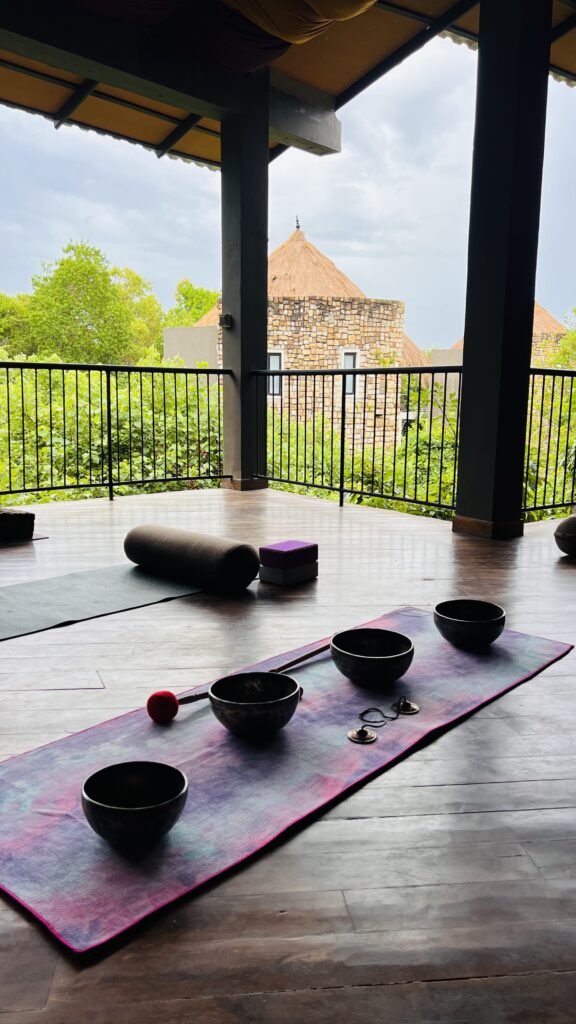
For over ten years, Sen Wellness Sanctuary has been a beacon for authentic healing and transformation in Tangalle, Sri Lanka. Founded in 2014 by Sam Kankanamge, Sen Wellness has welcomed practitioners, teachers, and seekers from around the world—each arriving with their own intention, each leaving changed.  But something else has been quietly growing alongside the retreats. Year after year, yoga teachers, facilitators, and wellness practitioners have reached out with a specific request: Can we bring our own groups here? Can we rent the space?  The answer, for years, was reluctantly no. Sen Wellness operates as a curated wellness sanctuary with its own signature programs, and opening the space to external groups would fundamentally alter that intention. Yet the requests kept coming. Teachers who had experienced Sen Wellness firsthand wanted to offer their students the same environment—the pristine beaches, the tropical forest, the quality of care, the authentic connection to Sri Lankan healing traditions.  Rekawa Wellness Resort is the answer to those years of requests.  A Sister Property With The Same Standards Created as a sister property to Sen Wellness Sanctuary, Rekawa Wellness Resort was designed specifically for yoga teachers, facilitators, and wellness practitioners who want to organize their own group retreats or teacher training programs in a space that holds the same values: authenticity, eco-consciousness, connection to nature, and uncompromising quality.  Informed by a decade of hosting some of the world’s most discerning practitioners, this is a space built by people who understand what makes a retreat transformative. Rekawa Wellness Resort offers you the infrastructure, the setting, and the support to bring your own transformative retreat to life—whether you’re leading a 7-day yoga retreat, a 10-day silent meditation immersion, a 14-day wellness program, or a 21-day teacher training certification.  Rekawa Wellness Resort offers clean, eco-friendly accommodation that balances simplicity with comfort. Each room is equipped with air conditioning—while maintaining a minimalist aesthetic that encourages rest and inward focus. The architecture honors the landscape rather than dominating it, using locally sourced materials and design principles that allow natural light and airflow to move through the space.  Accommodations are configured to support group cohesion. Whether your participants prefer shared rooms that foster community or private rooms that honor individual needs, Rekawa Wellness Resort can accommodate both. Beds are comfortable, linens are high quality, and each space is cleaned daily by a staff trained to maintain the retreat environment with care and discretion.   A Space Designed For Transformation Yoga Sala The heart of Rekawa Wellness Resort is the yoga sala—an open-air structure surrounded by tropical greenery, designed to hold the energy of practice. The space is large enough to accommodate groups comfortably, with natural ventilation that keeps the room cool even in the heat of midday. The floor is smooth and level, suitable for both dynamic vinyasa flows and gentle restorative sessions. Light filters through at dawn, creating the ideal atmosphere for morning practice.  Ceremonial Space Beyond the yoga sala lies a dedicated ceremonial space for rituals, cacao ceremonies, breathwork sessions, group meditation, and other transformative modalities. This space was designed with intention—a layout that allows participants to sit in circle, and a sense of enclosure that creates safety for vulnerable work.  Restaurant Nourishment is not separate from healing. Rekawa Wellness Resort’s restaurant serves organic Sri Lankan cuisine prepared by a team that understands food as medicine. Meals are vegetarian, designed according to Ayurvedic principles to balance the body and support digestion. Ingredients are sourced locally wherever possible—fresh vegetables, tropical fruits, coconut, rice, lentils, and spices that reflect the island’s abundant agricultural heritage.  The dining space itself encourages connection. Long communal tables invite conversation, while smaller seating areas allow for quieter reflection. Meals can be adapted to accommodate dietary restrictions, and the kitchen team works directly with retreat leaders to customize menus for their groups.  Coworking Space For facilitators running longer programs or teacher trainings, Rekawa Wellness Resort offers a coworking space equipped with reliable Wi-Fi, comfortable seating, and the quiet necessary for lesson planning, one-on-one consultations, or administrative work. This separates the operational needs of teaching from the sacred space of practice.  Pool An infinity pool provides an additional space for cooling down after practice, for gentle aquatic movement, or simply for rest. Surrounded by tropical plants, the pool area becomes its own sanctuary within the sanctuary.  Beach Access Rekawa Wellness Resort sits within walking distance of pristine beaches—untouched stretches of sand where sea turtles nest and the sound of waves become a constant companion. Early morning walks along the shore, sunset meditations, or simply the psychological benefit of proximity to the ocean all contribute to the retreat experience.  Logistic and Services Airport Transfer Rekawa Wellness Resort arranges comfortable, reliable airport transfers from Colombo’s Bandaranaike International Airport to Tangalle. The journey takes approximately three hours, and transportation can be configured for individuals or groups depending on arrival times.  Cultural Excursions Sri Lanka’s cultural richness extends far beyond the beach. Rekawa can arrange guided excursions to ancient Buddhist temples, wildlife safaris in nearby national parks, traditional cooking classes, and other experiences that deepen participants’ connection to the island. These are offered at an additional charge and can be customized based on your group’s interests.  On-Site Support The team at Rekawa understands that retreat leaders need support, not interference. Staff are trained to handle accommodation, meals, and logistics seamlessly in the background, allowing you to focus entirely on your teaching and your group. If issues arise, they are handled quickly and quietly. Why Sri Lanka: The Undiscovered Alternative For years, Bali and Thailand have dominated the yoga retreat landscape. Teachers organize yoga retreats in Bali, Ayurveda programs in Thailand, and meditation immersions across Southeast Asia because these destinations are well-known, well-marketed, and—most importantly—familiar.  But familiarity comes at a cost.  Bali, once a quiet island of rice terraces and spiritual authenticity, has become oversaturated. Traffic chokes the roads between Ubud and Canggu. Overcrowded retreat centers compete for the same participants. The authentic Balinese culture that originally drew practitioners has been diluted by mass tourism. A yoga retreat in Bali today often means navigating crowds, noise, and

Your Venue For Hire For Yoga Retreats in Sri Lanka Read More »

When Autumn Speaks: A Retreat into Stillness

There are seasons when the world itself seems to pause. The light shifts. The air cools. Something in us recognizes the invitation to turn inward. This November, Sen Wellness Sanctuary welcomes that sacred turning. The Autumn Sunshine Retreat runs from November 7th to 16th, spanning ten days and nine nights within the protected embrace of Rekawa Nature Reserve in Tangalle, Sri Lanka. This is not a casual getaway. It is a transformative programme designed for those ready to meet themselves with honesty and grace. All spaces for this retreat are now fully booked. But the story of what unfolds here is worth sharing, as it speaks to the kind of experience we hold space for at Sen Wellness Sanctuary. The Heart Opens When We Gather The people who come together here do not arrive by chance. There is always a deeper current beneath the surface, a reason souls converge in a particular place at a particular time. Healing deepens when we allow others to reflect what we cannot yet see in ourselves. Some arrive carrying grief they have not yet named. Others come seeking clarity in the midst of life transitions. A few simply know it is time to stop running and stand still. Whatever the reason, the group becomes a container for transformation. The ten days culminate in a heart-opening ceremony. It is the kind of experience that asks everything of you and gives back more than you thought possible. Cacao medicine, breathwork, chanting, meditation—ancient technologies woven together to create something that cannot be named, only felt. Participants often describe this ceremony as the moment when everything they have been holding finally releases. Tears flow freely. Laughter rises unexpectedly. The heart remembers what it knew before words existed. A Teacher From The Mountains This year, we are honored to welcome Venerable Nuptul Tenpei Nyima Rinpoche as a guest teacher for this wellness retreat in Sri Lanka. Rinpoche was born in the Lho village of Nubri, high in the mountains of Nepal. Recognized at nine years old as the reincarnation of a great meditator and yogi, he spent fifteen years studying under H.H. 4th Dodrupchen Rinpoche, receiving transmissions and empowerments in the Longchen Nyingtik tradition. He completed a traditional three-year solitary retreat at nineteen. But his path did not end in the monastery. Rinpoche studied world religions and psychology at Hampshire College in Massachusetts. He trained professionally in Tibetan medicine. He spent a year at Harvard Divinity School as an international fellow, exploring the intersection of ancient Buddhist philosophy and contemporary thought. He is both a holder of ancient lineage and a bridge between worlds. As Senior Abbot of Sangchen Rabten Norbuling, he cares for over 100 monks and nuns. As founder of Mahasukha Foundation, he works to rebuild communities after disaster and provide education to children in remote villages. After the devastating 2015 Nepal earthquake, Rinpoche directed international fundraising efforts to reconstruct his monastery and support the villages of Nubri. He currently leads the Serang Primary School project, ensuring that underprivileged children have access to education regardless of gender, ethnicity, caste, or religion. He is also developing Orgyen Ling Institute, an innovative center for higher Buddhist studies that serves both monastics and lay practitioners worldwide. His presence at Sen Wellness Sanctuary is a gift. His teachings carry the weight of lived practice and the lightness of genuine compassion. The Beauty Of Change Autumn teaches us what it means to let go. The trees release their leaves without hesitation. The earth prepares for renewal by first embracing emptiness. This retreat celebrates that same courage. The willingness to shed what no longer serves. The trust that something new will emerge when the time is right. Transformation does not happen in fragments. The body needs time to soften. The mind needs time to quiet. The heart needs time to trust the process unfolding beneath conscious awareness. In our modern lives, we are accustomed to quick fixes and instant results. We expect change to arrive on our timeline. But the kind of healing that happens at a retreat in Sri Lanka like this one follows a different rhythm. The first few days are often the hardest. The mind rebels against stillness. The body complains about early mornings. Old patterns surface with surprising force. Then something shifts. Usually around day four or five. The resistance softens. The nervous system begins to recalibrate. Sleep deepens. The breath lengthens. Small moments become profound. By the time the heart-opening ceremony arrives, participants are ready. Not because they have forced themselves to be ready, but because the retreat itself has prepared them. The daily practices, the nourishing meals, the presence of the group, the land itself—all of it conspires to create the conditions for awakening. What Remains The Autumn Sunshine Retreat is fully booked for November 2025. But the essence of what we offer here at Sen Wellness Sanctuary remains available throughout the year. We will continue to hold space for those ready to turn inward. We will continue to honor ancient practices while remaining present to modern needs. We will continue to believe that healing happens not in isolation, but in the presence of others brave enough to do the same work. If you felt something stir while reading this, trust that feeling. There will be other retreats, other opportunities to gather. The invitation to come home to yourself does not expire. We will be here, holding space, when the time is right. About Sen Wellness Sanctuary Founded in 2014 by Dr Sam Kankanamge, Sen Wellness Sanctuary sits within Tangalle’s Rekawa Nature Reserve on Sri Lanka’s southern coast. We offer transformative yoga, Ayurveda, breathwork, and meditation retreats within an environment designed for genuine practice—tropical forest, pristine beach, and the kind of stillness that allows deeper listening. Contact Us

When Autumn Speaks: A Retreat into Stillness Read More »

Sri Lanka in August: Is It the Best Time to Visit?

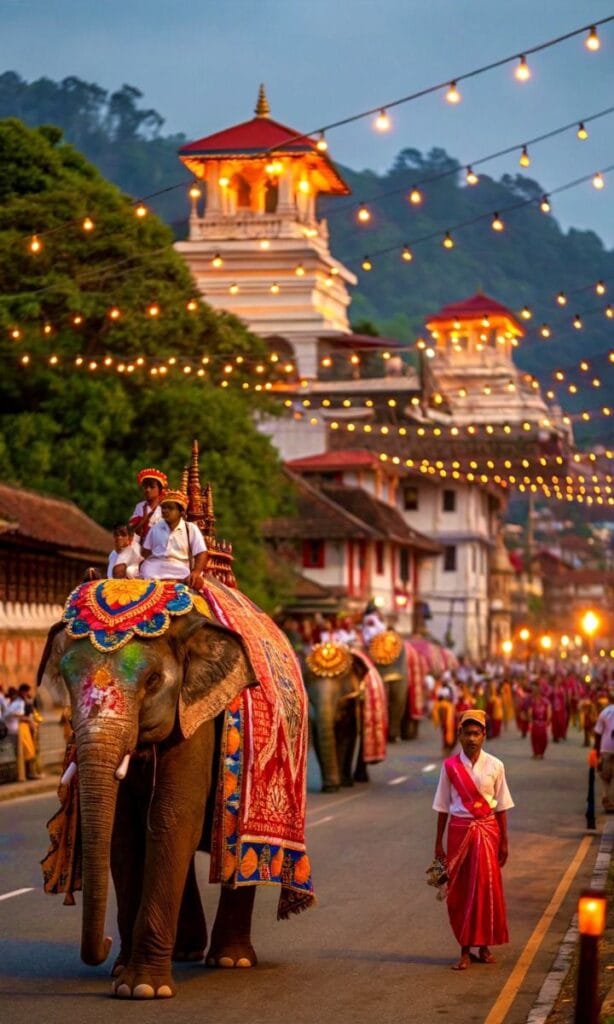
Sri Lanka in August: Is It the Best Time to Visit? Sri Lanka in August: Best time to visit Sri Lanka? Special Summer Offers on Yoga Retreats & Wellness Programmes. Sri Lanka is a year-round destination, boasting a vibrant culture, diverse landscapes, and a natural rhythm that varies across its regions. But is Sri Lanka in August the best time to visit? For mindful travellers seeking restorative retreats, cultural richness, and meaningful immersion, August offers a unique and often overlooked opportunity. Whether you’re planning a wellness escape, looking to connect with nature, or discover a calmer side of the island, August invites a different kind of adventure – one that’s tranquil, authentic, and deeply enriching. Is August a Good Time to Visit Sri Lanka? Yes, August is a wonderful time to visit Sri Lanka, especially if you prefer a quieter, more intimate experience. With fewer tourists around in certain regions, you’ll find it easier to connect with the island’s natural beauty, cultural traditions, and spiritual offerings. This is often considered the best time to visit Sri Lanka for those seeking to slow down, practice mindfulness, or engage in personal transformation. While popular spots may still attract visitors, the overall atmosphere remains peaceful, allowing you to appreciate Sri Lanka in its more natural, unhurried rhythm. At Sen Wellness Sanctuary, located on the southern coast near Tangalle, August is a time of spaciousness and serenity. It’s ideal for reconnecting with nature, restoring wellbeing, and aligning your inner world with the calming pulse of the earth. Tips for Visiting Sri Lanka in August To make the most of your journey, consider these tips for visiting Sri Lanka in August: Plan a balanced itinerary between the east coast and the south coast to enjoy a mix of experiences. Pack lightweight clothing, sunscreen, and footwear suitable for both beach walks and nature trails. Embrace the slower pace – August is a time for inward reflection and deeper presence. Choose wellness-focused experiences such as yoga, Ayurveda, or mindful movement to complement the calming seasonal atmosphere. Take advantage of special summer offers on select retreats, which are occasionally available during this period. August is your time to explore – not only the beauty of Sri Lanka, but also the peace within yourself. Festivals and Events in Sri Lanka in August Sri Lanka’s cultural calendar is rich with vibrant festivals, and August is no exception. One of the most celebrated events is the Esala Perahera in Kandy, a majestic Buddhist procession honouring the Sacred Tooth Relic of Lord Buddha. Dancers, drummers, and beautifully adorned elephants light up the streets in a display of devotion and tradition. For those interested in spirituality and heritage, August is a truly memorable time to visit Sri Lanka. If you’re staying at Sen Wellness Sanctuary, a short trip inland can bring you face-to-face with this inspiring event. In Colombo, the Vel Festival offers another powerful cultural experience, showcasing Tamil Hindu traditions through processions and rituals. These moments create a deep sense of connection with the Sri Lankan people and their diverse spiritual landscape. Sri Lankan August Weather Sri Lanka’s tropical climate ensures warm temperatures year-round. In August, the weather varies slightly across regions, offering a variety of travel options depending on your interests. The East Coast tends to be sunnier and is ideal for swimming, diving, and surfing. The south and west coasts, while more serene during this time, still offer pleasant beachside moments, nature walks, and deeply restful days. The natural environment flourishes this time of year, with verdant landscapes, blooming flora, and a sense of rejuvenation in the air. It’s a beautiful time to witness Sri Lanka’s biodiversity and connect more deeply with the rhythms of nature. Temperatures in Sri Lanka in August August temperatures remain warm and comfortable across Sri Lanka. Average daytime temperatures include: Colombo: 28°C – 31°C South coast (Tangalle/Galle): 27°C – 30°C East coast (Trincomalee/Arugam Bay): 30°C – 33°C Hill country (Kandy/Nuwara Eliya): 18°C – 24°C The climate is ideal for those looking to combine wellness activities with beach relaxation and cultural exploration. Whether you’re sipping herbal tea on a shaded veranda or practising yoga as the sun rises, the temperature supports a naturally energising and healing lifestyle. Special Summer Wellness Programmes August marks a sacred season of healing at Sen Wellness Sanctuary, with tailored summer wellness programmes designed to nurture body, mind, and spirit. These immersive retreats combine daily yoga, Ayurvedic treatments, breathwork, and nourishing meals in a harmonious flow. Our expert practitioners adjust treatments and practices to meet your individual needs and seasonal rhythms. Whether you’re focusing on detox, emotional release, or simply restoring your energy, the programmes offer a personalised path to deep renewal. This is also a time when some special offers are made available for select retreats, giving travellers the chance to enjoy a luxury wellness experience with added value. Sen Wellness Sanctuary: A Tranquil Summer Escape on the South Coast Tucked away near Rekawa Beach, Sen Wellness Sanctuary is a haven for seekers of healing and connection. Designed with eco-conscious elegance and rooted in ancient traditions, the Sanctuary provides a rare blend of comfort, simplicity, and depth. August at the Sanctuary offers stillness, space, and sensitivity. Fewer guests mean more personal attention, deeper healing sessions, and uninterrupted time to rest and reflect. From ocean-view meditations to walking barefoot on forest paths, every experience is crafted to return you to your natural rhythm. Wildlife sightings, sea turtle nesting, and quiet moments by the water enhance your sense of belonging to something greater. Yoga, Healing, and Nature Immersion Beyond the Tourist Crowds If you’re yearning for more than just sightseeing, August may be your ideal time to visit Sri Lanka. This is when the country reveals its quiet magic, allowing you to journey inward as much as outward. At Sen Wellness Sanctuary, your days are filled with purposeful calm. Morning yoga flows gently into Ayurvedic therapy. A nourishing lunch leads to time spent journaling or resting in nature. Evenings bring shared stories, healing rituals, and starry skies. Beyond the busy trails and beaches lies something sacred: a space to remember who you are, to heal, and to return home within yourself. Final Thoughts So, is Sri Lanka in August the best time to visit? For the conscious traveller, the answer is

Sri Lanka in August: Is It the Best Time to Visit? Read More »

Is July a Good Time to Visit Sri Lanka?

Is July a Good Time to Visit Sri Lanka? Sri Lanka in August: Best time to visit Sri Lanka? Special Summer Offers on Yoga Retreats & Wellness Programmes. Sri Lanka in July/August: Best Time to Visit Sri Lanka? If you’re wondering whether July or August is a good time to visit Sri Lanka, the answer depends on what you’re looking for. Despite the island’s tropical climate and mid-year monsoon season, Sri Lanka remains a captivating destination during these months, offering lush landscapes, fewer crowds, and exclusive wellness programmes. This travel guide breaks down the weather, regional highlights, local events, and why this might be the perfect season for a rejuvenating holiday in Sri Lanka. Tips for Visiting Sri Lanka in July Before planning your holiday in Sri Lanka, it helps to understand the island’s unique geography and how it shapes the experience. Sri Lanka is a year-round travel destination thanks to its two distinct monsoon seasons, which affect opposite coasts at different times of the year. In July, the south and west coasts (including Colombo, Galle, and Mirissa) experience the southwest monsoon, which brings occasional rain. However, showers are typically short and followed by sunshine, so they rarely disrupt travel plans. Meanwhile, the east coast (like Arugam Bay and Trincomalee) enjoys dry, sunny weather, ideal for beach holidays and surf adventures. Travel Tips for July: Stick to the East Coast for guaranteed sunshine and calm seas. If visiting the south or west, pack a light rain jacket and plan indoor activities like temple tours or spa treatments. July is considered off-peak for some parts of the island, so you’ll enjoy fewer crowds and lower prices on accommodation and wellness retreats. Book your tour of Sri Lanka with flexibility to account for occasional rainy days. Festivals and Events in Sri Lanka in July Cultural immersion is one of the best reasons to visit Sri Lanka, and July offers a glimpse into the island’s spiritual and celebratory side. Key Events in July: Esala Perahera (Kandy): One of Asia’s most magnificent festivals, this Buddhist event features processions with elephants, dancers, fire performers, and drummers. It usually falls between late July and early August. Vel Festival (Colombo): A major Hindu celebration honouring Lord Murugan, this colourful parade showcases vibrant traditions, music, and deep spiritual significance. These festivals make July a fascinating time to visit Sri Lanka for culture lovers, though it’s advisable to book accommodation early, especially in Kandy. Sri Lankan July Weather The weather in Sri Lanka in July varies by region due to the island’s dual monsoon systems. Understanding this helps travellers make the most of their trip. Temperatures in Sri Lanka in July and August Across most of the island, daytime temperatures in July and August range from 28°C to 32°C. Even during rainy spells, the air remains warm and tropical. Colombo and the southwest coast: Expect high humidity, with occasional showers mostly in the afternoons or evenings. East coast (Arugam Bay, Trincomalee): Hot and dry, perfect for beach days, swimming, and surfing. Hill country (Kandy, Nuwara Eliya): Cooler temperatures around 18°C to 24°C and misty mornings, offering a refreshing contrast. While rain is common in the southwest during July, it rarely lasts all day. Most travellers still enjoy their holiday in Sri Lanka with minimal disruptions. Special Summer Wellness Programmes One of the lesser-known joys of travelling to Sri Lanka in July is the availability of exclusive summer wellness retreats. Many retreat centres and luxury resorts offer special packages focused on healing, relaxation, and spiritual growth. From Ayurveda detoxes and yoga immersions to breathwork, meditation, and organic cuisine, the island’s wellness offerings are tailored to both new and experienced travellers. Why July Is Ideal for Wellness Visiting Sri Lanka in July offers a unique opportunity to embark on a deeply enriching wellness journey. While some travellers may shy away from the monsoon season, those seeking tranquillity, rejuvenation, and authentic healing will find this time especially rewarding. Here’s why: Peaceful Environments with Fewer Tourists: July falls within the island’s off-peak tourist season for much of the south and west coasts. This means fewer crowds, more privacy, and a slower pace of life, ideal conditions for rest and introspection. Wellness retreats and meditation centres become peaceful sanctuaries where guests can immerse themselves fully in nature and self-care without distractions. Whether you’re practising yoga on a secluded beach, meditating in a forest hut, or receiving an Ayurvedic massage, the environment nurtures deep mental and emotional clarity. Affordable Rates on High-End Wellness Stays: During the high season (typically December to April), luxury resorts and wellness sanctuaries can be fully booked and significantly more expensive. However, in July, many of these exclusive properties offer special summer rates, making it more accessible to experience the highest quality of wellness offerings. Travellers from Europe, the UK, or North America can take advantage of favourable exchange rates and enjoy longer stays for less. This allows for a more immersive retreat, one where the body and mind can truly reset without feeling rushed. Monsoon Rains Contribute to Lush Greenery and a Calm Atmosphere: While the word monsoon might evoke images of relentless storms, in Sri Lanka, the rains are often short-lived and typically arrive in the late afternoon or evening. Far from being a disruption, the monsoon brings a sense of rhythm and renewal to the island. The landscapes become vibrant and green, the air is fresh and cool, and the ocean breeze carries the scent of rain-soaked earth. This naturally soothing environment plays a crucial role in wellness practices, especially in Ayurveda, where nature’s elements are used to restore internal balance. The sounds of gentle rain, rustling palm trees, and distant ocean waves create a meditative backdrop for healing and reflection. Moreover, the weather fosters slowness and stillness, encouraging you to turn inward, unplug from the outside world, and truly listen to your body’s needs. Whether it’s curling up with herbal tea after a detox treatment, journaling after a yoga class, or simply walking barefoot on the wet sand, every moment invites mindfulness. Ultimately, July in Sri Lanka offers the perfect environment for those yearning for more than just a holiday. It’s for the traveller seeking renewal – physically, emotionally, and spiritually. The peacefulness, the affordability, and the nurturing quality

Is July a Good Time to Visit Sri Lanka? Read More »

yoga11v2

No.1 Luxury Yoga Retreat in Sri Lanka

No.1 Luxury Yoga Retreat in Sri Lanka | Sen Wellness Sanctuary Escape to Sen Wellness Sanctuary, a Luxury Yoga Retreat in Sri Lanka offering holistic wellness, expert-led yoga classes, healing therapies & Ayurveda. Why Choose a Luxury Yoga Retreat in Sri Lanka? Sri Lanka, the teardrop island nestled in the Indian Ocean, is fast becoming one of the most sought-after destinations for wellness tourism. Its natural beauty—lush jungles, golden beaches, and tranquil paddy fields—combined with its deep-rooted traditions in Ayurveda and Buddhism, creates the perfect environment for deep rest and healing. For those seeking to restore balance, a luxury yoga retreat in Sri Lanka offers serenity, skilled practitioners, and holistic programmes all year round. Restoring Body and Mind Modern life often leaves us disconnected from nature, our bodies, and even our breath. A yoga and wellness retreat allows you to step away from daily stresses and reawaken your sense of presence. Whether you are a beginner to the practice of yoga or an experienced practitioner, immersing yourself in nature and stillness helps calm the nervous system, lower stress hormones, and enhance overall well-being. At Sen Wellness Sanctuary, we combine hatha and vinyasa yoga with meditation, Ayurvedic treatments, and breath to support deep transformation of both body and mind. About Our Luxury Yoga Retreat in Sri Lanka Located between the pristine Rekawa Beach and a protected national park, Sen Wellness Sanctuary offers an oasis of calm. Our eco-conscious retreat centre is built with sustainability in mind, crafted from natural materials and designed to blend into the surrounding jungle. With a peaceful yoga shala, Ayurvedic treatment rooms, and nourishing meals from our holistic kitchen, the Sanctuary provides everything you need to reset your inner compass. Our retreats offer an authentic yet luxurious experience that’s deeply rooted in Sri Lanka’s spiritual and healing traditions. Yoga and Wellness Programmes Our yoga and wellness programmes are designed to meet a variety of intentions. You may wish to simply relax, explore your yoga practice, or undergo a deep Ayurvedic cleanse. Our skilled yoga teachers guide you through daily yoga classes and meditation sessions, incorporating hatha and vinyasa, and occasionally other styles. Each programme also includes a consultation with our experienced Ayurvedic doctor, therapeutic treatments such as herbal oil massages, and personalised herbal medicines to support your inner healing. These offerings allow you to fully immerse yourself in the healing journey without distraction. Personalised Retreat Options Every guest is unique, and so is every healing journey. At Sen Wellness, we take the time to understand your needs—be it physical, emotional or spiritual—and tailor your programme accordingly. Whether you’d like a more active schedule or prefer to focus on deep rest and Ayurvedic treatments, our team will personalise your retreat experience to support your goals. We also welcome solo travellers, couples, and small groups, making it easy to plan your next retreat no matter your circumstances. Activities & Experiences While yoga and Ayurveda are at the heart of our Sanctuary, there are plenty of other activities to enrich your stay. For those who embrace a slightly busier schedule, we have a few optional excursions and activities on offer throughout the week including a lagoon boat ride in a Sri Lankan catamaran, a meditation session at Mulkirigala Rock Temple, a cooking class, an Ayurvedic medicine workshop, or a meditation and sound healing session led by the visiting Buddhist Monk. Why Choose Sen Wellness Sanctuary? Sen Wellness Sanctuary is not just a retreat – it’s a profound journey into self-discovery, healing, and transformation. Recognised as one of the best yoga retreats in Sri Lanka, our Sanctuary offers far more than daily yoga and meditation. We provide a deeply immersive wellness experience, thoughtfully designed to help you reconnect with your essence, restore your health, and awaken your spirit. Nestled between the palm-fringed shores of the Indian Ocean and the wild, healing energy of a protected jungle, Sen Wellness is a rare and sacred space where nature does much of the healing for you. From the moment you arrive, the sounds of tropical birds, ocean waves, and rustling coconut trees signal a slower, more meaningful pace of life. Every detail—from the architecture to the Ayurvedic meals – is infused with intention and care. We honour Sri Lanka’s ancient heritage by weaving together traditional Ayurveda, Buddhist philosophy, and indigenous healing practices, all led by an expert team of wellness professionals. Our yoga teachers, Ayurvedic doctors, therapists, and retreat facilitators are not only experienced practitioners – they are also compassionate guides dedicated to your personal growth. Their holistic, intuitive approach ensures that each retreat becomes a tailor-made experience, whether you’re a beginner seeking clarity or a seasoned yogi deepening your path. Guests from around the world return again and again because Sen Wellness offers something incredibly rare: a sense of homecoming. A return to nature, to your breath, to your body – and ultimately, to your true self. Testimonials from Our Guests Don’t just take our word for it – here’s what some of our guests have to say: “I came to Sen exhausted and left renewed. The yoga teachers were exceptional, and the Ayurveda treatments changed my life.” – Alice, UK “A perfect blend of serenity, connection and care. Every moment felt intentional. I’ll be back for my next retreat!” – Johan, Sweden “I’ve done yoga retreats all over the world, and Sen is in a league of its own. From the food to the jungle surroundings, it’s truly special.” – Maria, Australia Whether you’re planning a yoga holiday, seeking a meditation retreat, or simply want to practise yoga in Sri Lanka surrounded by nature, Sen Wellness Sanctuary offers the space, care, and expertise to guide your healing journey. Open all year round and located just a few hours from Colombo, your path to balance, peace and wellness begins here. Book your luxury yoga retreat in Sri Lanka today.

No.1 Luxury Yoga Retreat in Sri Lanka Read More »

Solo Travel in Sri Lanka Solo Travel in Sri Lanka | No.1 Travel Guide & Itinerary for 2025

Solo Travel in Sri Lanka

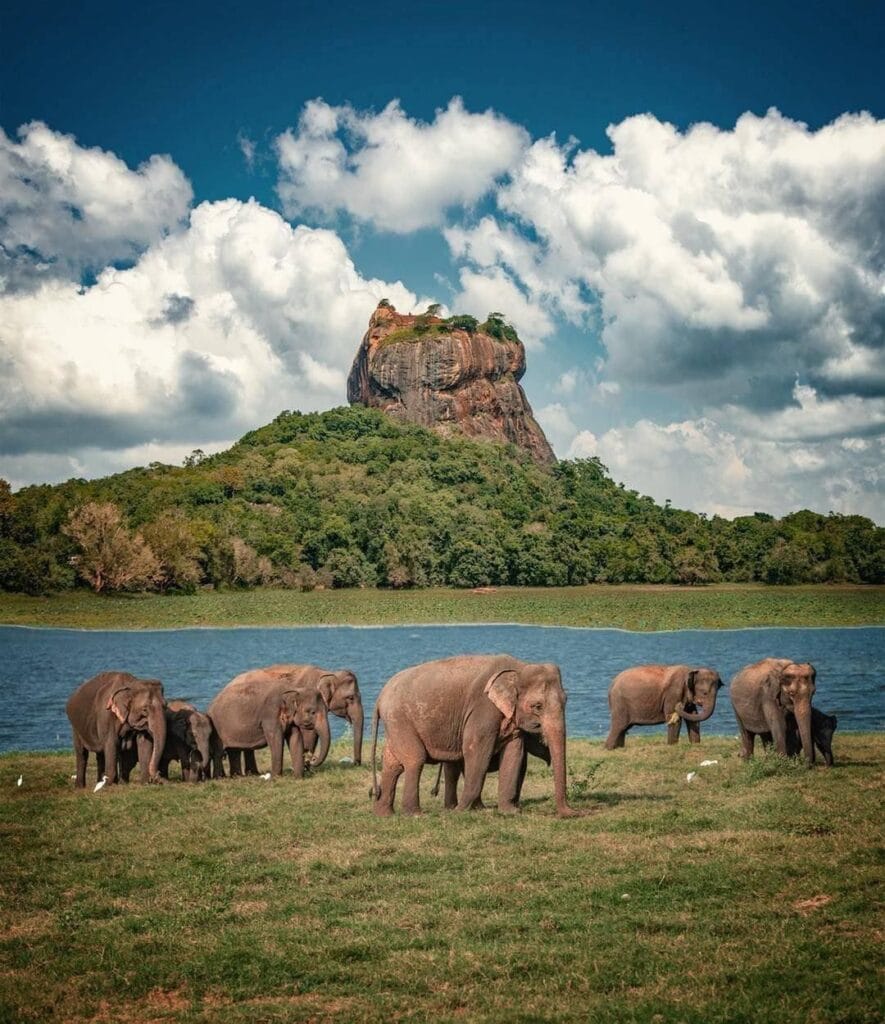
Solo Travel in Sri Lanka | No.1 Travel Guide & Itinerary for 2025 Explore the beauty of Sri Lanka as a solo traveller. Discover the best destinations, create your perfect itinerary, & embrace adventurous travel. Why Sri Lanka is Perfect for Solo Travel Sri Lanka is one of the most beautiful and welcoming countries in South Asia. Whether you’re a first-time solo traveller or an experienced globetrotter, Sri Lanka offers diverse landscapes, a rich cultural heritage, and a friendly local population. From lush tea plantations and ancient temples to golden beaches and vibrant cities, solo travel in Sri Lanka promises unforgettable experiences. Travelling alone can be liberating, especially in a country where hospitality runs deep. Sri Lankans are known for their warmth and kindness, often going out of their way to help travellers. Moreover, English is widely spoken, making it easier to connect and communicate. Top Destinations to Visit in Sri Lanka There are countless stunning places to visit in Sri Lanka. Here are some must-see destinations: Colombo – The Vibrant Capital City Start your solo adventure in Colombo, Sri Lanka’s dynamic capital. This bustling metropolis is a fascinating mix of colonial architecture, modern skyscrapers, and vibrant street markets. Explore the colourful streets of Pettah, take a sunset stroll along Galle Face Green, or unwind in one of the city’s many rooftop cafes. Colombo is also a great place to ease into Sri Lankan culture and cuisine before heading inland or along the coast. Galle – Colonial Charm by the Sea Galle is a coastal city that transports you back in time. The heart of the city is Galle Fort, a UNESCO World Heritage Site built by the Portuguese and later fortified by the Dutch. Wander the cobbled streets lined with colonial buildings, boutique shops, art galleries, and cosy cafés. The blend of European and Sri Lankan heritage makes Galle an enchanting stop for solo travellers seeking history, culture, and beautiful ocean views. Ella – A Haven for Hikers and Nature Lovers Tucked away in the central highlands, Ella is a picturesque town surrounded by lush green hills and tea plantations. It’s ideal for solo travellers who love the outdoors. Hike up Ella Rock or Little Adam’s Peak for sweeping views, or visit the stunning Nine Arches Bridge for a truly iconic photo opportunity. Ella also offers a peaceful, laid-back atmosphere, perfect for relaxation and introspection. Kandy – Cultural Heart of Sri Lanka No trip to Sri Lanka is complete without a visit to Kandy, the island’s cultural capital. Nestled beside a tranquil lake and surrounded by forested hills, Kandy is home to the Temple of the Sacred Tooth Relic, one of the most revered Buddhist sites in the world. You can also explore the Royal Botanical Gardens, enjoy traditional dance performances, or simply soak up the spiritual energy of this sacred city. Sigiriya – The Ancient Rock Fortress Sigiriya, also known as Lion Rock, is one of Sri Lanka’s most iconic landmarks. This ancient rock fortress rises dramatically from the jungle and offers a fascinating glimpse into the island’s early civilisation. Climb to the top for panoramic views and explore the beautifully landscaped gardens and well-preserved frescoes along the way. A visit to Sigiriya is both a cultural and physical adventure—perfect for the curious solo traveller. Arugam Bay – Surf, Sand, and Serenity On the east coast of Sri Lanka lies Arugam Bay, a relaxed beach town known for its world-class surf breaks. It’s a favourite among solo travellers seeking sun, sea, and a social vibe. Whether you’re a seasoned surfer or just looking to unwind by the ocean, Arugam Bay offers a welcoming atmosphere, beachside cafés, yoga classes, and a lively backpacker scene. Nuwara Eliya – The Little England of Sri Lanka Set amidst emerald tea plantations and misty mountains, Nuwara Eliya is often referred to as “Little England” due to its colonial-era architecture and cool climate. Explore lush estates like Pedro Tea Estate, stroll around Gregory Lake, or take a scenic train ride from Kandy to Nuwara Eliya—one of the most beautiful rail journeys in the world. The town’s calm pace and natural beauty make it an excellent retreat for solo travellers seeking tranquillity. Solo Travel Itinerary for Sri Lanka A well-planned Sri Lanka itinerary can make your trip stress-free. Here is a suggested 10-day itinerary for solo travellers: Day 1-2: Arrive in Colombo, explore the city and its markets. Day 3-4: Travel to Kandy, visit temples and botanical gardens. Day 5: Head to Nuwara Eliya, tour tea estates. Day 6: Take the scenic train ride to Ella. Day 7: Hike Little Adam’s Peak, visit Nine Arches Bridge. Day 8: Travel to Yala National Park for a safari. Day 9-10: Relax at the beach in Mirissa or Unawatuna. Best Time to Visit Sri Lanka The best time to visit Sri Lanka depends on where you plan to go. The island has two monsoon seasons: West & South Coasts: Best between December and March. East Coast: Ideal from April to September. Plan your solo trip to Sri Lanka accordingly for optimal weather conditions. Getting Around Sri Lanka as a Solo Traveller Getting around Sri Lanka is relatively easy, even on your own. You can use: Trains: Scenic and affordable, especially the Kandy to Ella route. Buses: Inexpensive but can be crowded. Tuk-tuks: Convenient for short distances. Scooters: Rent a scooter in quieter areas for flexibility. Always have travel insurance, especially if you plan to drive. Things to Do in Sri Lanka for Solo Travellers Travelling solo in Sri Lanka opens the door to many exciting activities: Take a cooking class to learn amazing Sri Lankan recipes. Visit a local market and sample delicious Sri Lankan food. Go on a safari in one of the many national parks. Join a yoga or meditation class at a wellness retreat. Explore ancient ruins and UNESCO World Heritage Sites. Must-Visit National Parks in Sri Lanka Sri Lanka is home to several world-famous national parks, perfect for wildlife enthusiasts: Yala National Park: Spot leopards, elephants, and crocodiles. Udawalawe: Known for large herds of elephants. Wilpattu: Lesser-known but rich in birdlife and mammals. Horton Plains: Great for

Solo Travel in Sri Lanka Read More »

Juice and Water Fasting

Juice and Water Fasting | Detox & Cleanse | Sen Wellness Retreat Discover the benefits of a juice fast and water fasting at a Sen Wellness Retreat. Explore detox methods, juice cleanses, water fasts and healthy diets. What is a Juice Cleanse? A juice cleanse involves consuming only juice extracted from fruit and vegetables over a set period. It is a type of juice-based diet that has gained popularity in recent years. This fasting diet typically replaces solid foods with fresh juices made from a variety of fruits and vegetables, allowing the digestive system to rest while flooding the body with essential nutrients. Juice cleansing detoxifies the body, promoting the elimination of toxins and waste. Since vegetable juices and fruit juices are rich in antioxidants, vitamin C, and minerals, they provide a way to add nutrition while cutting out processed foods. A juice fast can vary in length, but typically lasts between one to five days, depending on individual goals and experience. Understanding the Water Fast: How it Works Water fasting involves abstaining from eating and drinking only water for a designated period. Unlike a juice fast, which provides calories and nutrients, water fasting is a more extreme method of detox that should be done under medical supervision, especially if undertaken for longer than 24–48 hours. During a water fast, after around 24 hours the body enters a state called autophagy—a condition in which the body begins to break down damaged cells and recycle them. This natural detoxification process, supported by scientific evidence, may offer various health benefits including preventing and responding to disease. However, fasting may also lead to side effects such as dizziness, dehydration, and low blood sugar if not properly managed. 5 Benefits of Juice and Water Fasting Both juice and water fasting can offer a wide range of benefits, especially when part of a balanced and intermittent fasting regimen. Here are five key advantages: Detoxification: Fasting allows your digestive system to rest, enabling the body to detoxify and eliminate toxins and waste. Weight Management: Due to calorie restriction, both methods support weight loss. A well-planned juice fast can also help with long-term weight maintenance. Improved Digestion: Drinking juice made from portions of fruit and vegetables may promote digestive health by supplying enzymes and fibre (in unstrained varieties). Blood Sugar Regulation: Some studies suggest fasting may help regulate blood sugar levels, especially when combined with a healthy diet with whole foods. Mental Clarity: People may feel mentally lighter and more focused, possibly due to the reduction in blood sugar spikes and inflammatory foods. Juice Fast vs Water Fast: Which to Choose? Choosing between a juice cleanse and a water fast depends on your health condition, fasting experience, and overall goals. Juice fasting can also offer a gentler, nutrient-rich alternative for those new to fasting. It still provides energy, vitamins, and hydration while supporting the detoxification process. Water fasting could be more appropriate for experienced individuals seeking deeper autophagy or spiritual clarity, though it should always be approached with caution. Without medical supervision, water fasting may not be a good idea for people with chronic health conditions or at risk of nutrient deficiencies. Ultimately, consulting a healthcare professional is vital before beginning either fasting method, especially if you plan to fast for longer than 24 hours. Preparing for Your Juice or Water Fast Proper preparation is crucial to avoid side effects and ensure you get the most from your fasting period. Begin by transitioning to a cleaner, plant-based diet at least two days before your fast. Focus on consuming a variety of fruits and vegetables, whole grains, and healthy fats. Gradually reduce your intake of caffeine, sugar, and processed foods. For a juice cleanse, make sure your juices are made from high-quality, organic produce to avoid pesticides. Preparing your body this way supports a smoother detox and minimises symptoms such as headaches, fatigue, and low blood sugar. Risks of Water Fasting: What You Need to Know While the benefits of water fasting are well-documented, there are side effects and risks to consider. Without calories, protein and other essential nutrients, the body begins to break down muscle for energy. This loss of muscle mass can affect strength, immunity, and metabolic rate. Other potential risks of water fasting include dehydration, low blood pressure, electrolyte imbalances, and a lack of glucose needed for brain function. Fasting could also worsen underlying health conditions, such as type 2 diabetes or kidney problems, particularly when done without medical guidance. Fasting diets should always be tailored to individual needs, and those with any health conditions must consult a medical professional before attempting a prolonged fasting regimen. How a Fasting Diet Can Improve Your Health Despite the risks, a well-structured juice or intermittent fasting diet can greatly support overall health. Fasting may help reduce body weight, lower blood sugar, and improve markers of inflammation. Additionally, fasting diets have been associated with better heart health, enhanced insulin sensitivity, and even cognitive improvement. Juice fasting, when combined with a variety of fruit and vegetable juices, provides antioxidants and phytonutrients that fight oxidative stress. While the weight loss may be rapid, incorporating fasting into a broader wellness lifestyle can help maintain those results over time. Moreover, intermittent fasting—where you alternate between eating and fasting periods—has shown promise in both animal and human studies for extending lifespan and reducing the risk of many chronic diseases. Tips for a Safe and Effective Juice Cleanse To get the most out of your juice cleanse, follow these safety tips: Stay Hydrated: In addition to drinking juice, increase your water intake to support kidney function and detoxification. Limit High-Fruit Juices: Juices high in fruit may cause blood sugar spikes. Aim for a balance of vegetable and fruit juices. Avoid Strenuous Activity: Your energy levels may dip during the cleanse. Light yoga or walking is more appropriate than intense workouts. Break the Fast Gently: Reintroduce solid foods slowly, beginning with broths, steamed vegetables, and smoothies to prevent digestive distress. Listen to Your Body: If you feel dizzy, excessively weak, or nauseous, it

Juice and Water Fasting Read More »

treatment-ayurveda-at-the-sanctuary

Ayurvedic Medicine for Pitta Dosha

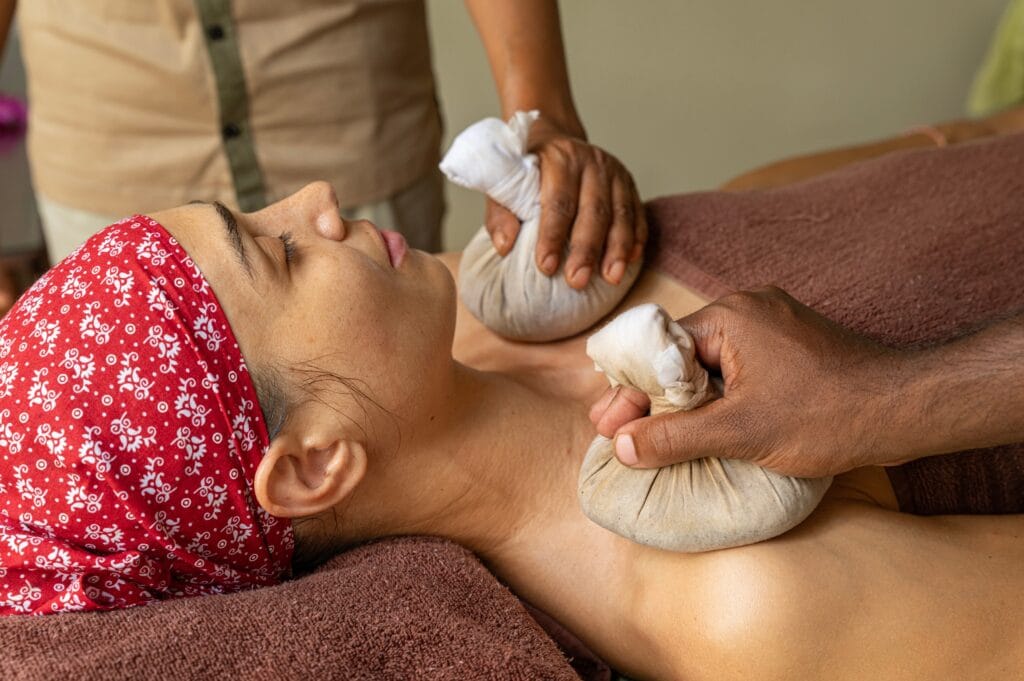
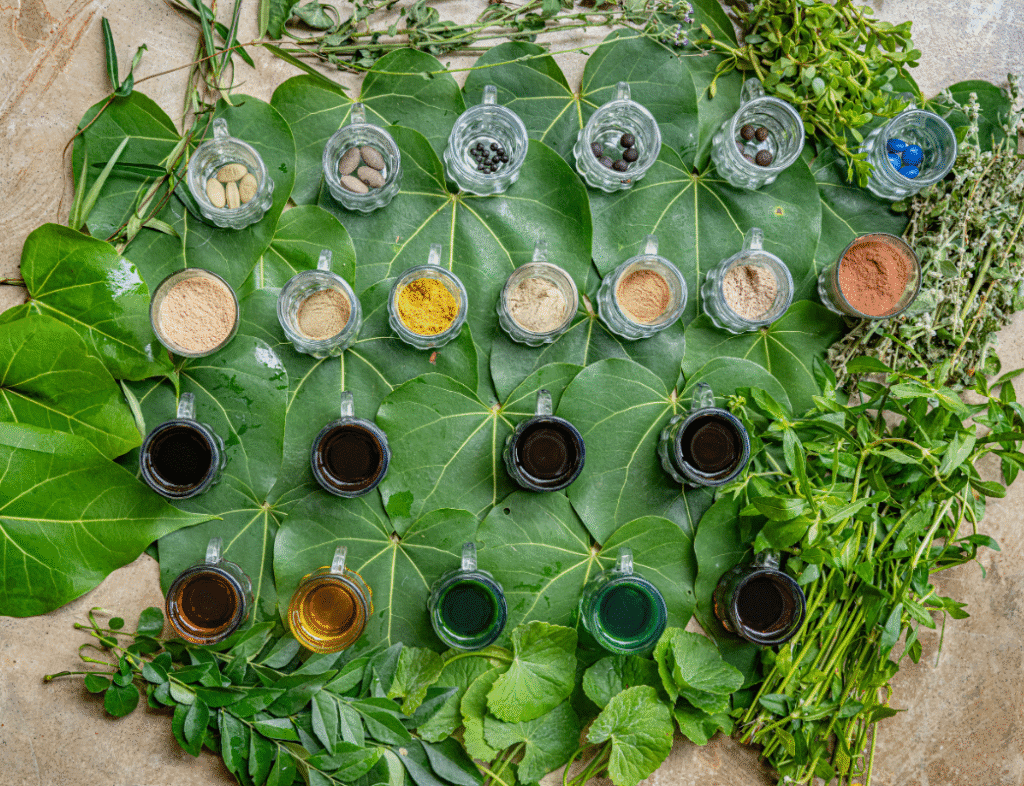
Ayurvedic Medicine for Pitta Dosha | Balancing Excess | Remedies What is Pitta in Ayurveda? In Ayurveda, the ancient holistic healing system, the body is governed by three doshas: Vata, Pitta, and Kapha. Pitta dosha is one of the three, primarily associated with fire and water elements. Pitta governs digestion, metabolism, and energy production. It is responsible for transforming food into energy and regulating body temperature. When in balance, pitta supports intelligence, ambition, and vitality. However, when it becomes excessive, it can lead to various health concerns that require Ayurvedic remedies for pitta imbalance. What is Pitta Dosha? Pitta dosha is characterised by heat, intensity, and sharpness. It predominantly governs digestion, intelligence, and emotions. Pitta dosha also oversees metabolism, enzyme production, and hormonal regulation. It plays a crucial role in mental clarity, focus, and problem-solving abilities. When balanced, pitta fosters motivation, confidence, and leadership qualities. However, an excess of pitta dosha may lead to various physical and emotional disturbances. Ayurveda offers remedies to assist in balancing pitta and maintaining harmony within the body. © Richard Kalina Excess Pitta Dosha Symptoms & Signs An imbalanced pitta dosha manifests in several ways. Common symptoms of pitta imbalance include: Acid reflux and hyperacidity Inflammation and skin rashes Excessive sweating and body heat Irritability, anger, and frustration Loose stools and digestive disturbances Sensitivity to heat Intense hunger and thirst Premature greying of hair Migraines and headaches Ulcers and acidity-related disorders Insomnia due to excessive mental activity Eye irritation and redness Heartburn and excessive thirst When pitta is out of balance, it can lead to chronic conditions like gastritis, liver disorders, and inflammatory skin conditions. Ayurveda recommends pitta-pacifying remedies to calm excess heat and restore balance. Pitta Diet and Ayurvedic Lifestyle to Manage Pitta Energy Ayurveda emphasises diet and lifestyle as key factors in reducing excess pitta. Following a pitta-pacifying diet and adopting cooling lifestyle practices can help maintain balance. Pitta-Pacifying Foods The best Ayurvedic approach includes cooling, hydrating, and soothing foods: Sweet fruits like melons, pears, and grapes Dairy products such as milk, ghee, and yoghurt Whole grains like rice, oats, and wheat Cooling herbs such as coriander, mint, and fennel Vegetables like cucumber, zucchini, and leafy greens Coconut water and herbal teas Legumes like mung beans and lentils Seeds such as sunflower and pumpkin seeds Foods That Aggravate Pitta Dosha Some foods increase pitta imbalance in the body and should be avoided: Spicy, fried, and acidic foods Excess caffeine, alcohol, and fermented foods Red meat and processed foods Sour fruits like tomatoes and citrus Salty snacks and deep-fried foods Vinegar and pickled foods Onions and garlic in excess Ayurvedic Lifestyle for Pitta Balance Adopting an Ayurvedic lifestyle can help regulate pitta energy: Follow a regular eating schedule Avoid excessive exposure to heat and sun Engage in cooling activities like swimming Practice meditation and deep breathing Use calming essential oils like sandalwood and rose Maintain a balanced work-life schedule Sleep early and avoid overstimulation before bedtime Engage in gentle exercise like yoga or Tai Chi Wear light, breathable clothing in pastel colours © Richard Kalina Ayurvedic Herbs & Remedies for Pitta Imbalance Ayurvedic medicine offers powerful remedies for pitta dosha concerns. The following are the top six Ayurvedic herbs to reduce excess pitta: 1. Amla (Indian Gooseberry) Amla is one of the best Ayurvedic remedies for pitta imbalance. Rich in vitamin C, it helps cool the body, detoxifies the liver, and supports digestion. 2. Brahmi Brahmi is known for calming the mind and reducing stress, which often aggravates the dosha. It enhances memory and promotes a sense of tranquillity. 3. Neem Neem purifies the blood and alleviates skin inflammation, a common symptom of high pitta. It is often used in Ayurvedic skincare treatments. 4. Shatavari Shatavari is a cooling herb that nurtures the body and balances hormonal fluctuations. It helps in reproductive health and overall well-being. 5. Guduchi Guduchi is renowned for detoxifying the body and soothing pitta-related inflammation. It supports immunity and liver function. 6. Liquorice Liquorice has natural cooling properties that pacify Pitta and support digestion. It soothes acid reflux and promotes a balanced digestive system. Home Remedies for Pitta Dosha Ayurveda offers several home remedies to help reduce pitta immediately. These natural solutions can be easily incorporated into daily life for effective relief: Drinking Coconut Water:Coconut water is an excellent natural coolant. It hydrates the body, reduces internal heat, and replenishes lost electrolytes. Applying Aloe Vera Gel:Aloe vera has powerful cooling and anti-inflammatory properties. Applying fresh aloe vera gel on the skin soothes rashes, sunburn, and pitta-induced irritation. Consuming Ghee in Warm Milk:A teaspoon of ghee in warm milk before bedtime nourishes bodily tissues, calms inflammation, and supports digestive health. Sipping Herbal Teas:Teas made from fennel, coriander, or liquorice help regulate digestion, prevent acidity, and cool the body from within. Practising Cooling Pranayama:Sheetali and Sheetkari breathing techniques cool the body, reduce stress, and promote mental clarity. Using Rose Water Mist:Spraying rose water on the face refreshes the skin and helps balance pitta, especially during hot weather. Mixing Sandalwood with Rosewater:Sandalwood paste, when combined with rosewater, creates a soothing face mask that helps reduce inflammation and excess heat. Adding Turmeric to Milk:Turmeric has anti-inflammatory properties and supports liver health. Consuming it in warm milk promotes internal cooling and immunity. Practising Abhyanga (Self-Massage):A daily self-massage with cooling oils like coconut oil, Brahmi oil, or sandalwood oil relaxes the nervous system and pacifies Pitta dosha. How We Balance Pitta Dosha at Sen Wellness Sanctuary At Sen Wellness Sanctuary, we incorporate the wisdom of Ayurveda to balance Pitta dosha through a holistic and personalised approach. Our programs are carefully designed to help regulate excess heat in the body and restore equilibrium. We offer: Personalised Ayurvedic Treatments & Consultations:Our Ayurvedic doctors assess individual constitutions and imbalances to create customised treatment plans for optimal pitta balance. Cooling Herbal Therapies & Detox Programs:We use Ayurvedic herbs and specialised detox therapies to help cleanse the body and reduce pitta. Guided Meditation & Yoga Practices:Gentle yoga postures and meditation

Ayurvedic Medicine for Pitta Dosha Read More »

Ayurveda

Ayurveda for Acne – 8 Ayurvedic Remedies

Ayurvedic Remedies for Acne: Natural Skincare Treatments Explore effective Ayurvedic remedies for acne to achieve clear skin. Discover holistic treatments like neem and herbal blends that balance doshas and promote healing. Effective Ayurvedic Remedies for Acne | Ayurveda Skincare Acne, or acne vulgaris, is a common skin condition that can affect people of all ages. Ayurvedic remedies for acne focus on balancing the doshas—Vata, Pitta, and Kapha—to promote overall skin health. Unlike conventional treatments, Ayurveda offers a holistic approach to addressing the root causes of acne, such as hormonal imbalances, inflammation, and toxin buildup. Ayurvedic treatments emphasise herbal ingredients with antibacterial, anti-inflammatory, and detoxifying properties. By understanding your dosha constitution and applying personalised remedies, you can achieve clearer, healthier skin naturally. Moreover, Ayurveda’s personalised approach ensures that remedies work in harmony with your body type, leading to long-term benefits. © Richard Kalina Understanding Acne Vulgaris: Signs & Symptoms Acne vulgaris develops when sebaceous glands produce excess oil, which mixes with dead skin cells and clogs pores. Common signs include pimples, blackheads, whiteheads, and, in severe cases, cystic acne. In Ayurveda, this condition often relates to an imbalance in the Pitta dosha, responsible for heat and inflammation in the body. Triggers include processed foods, stress, hormonal fluctuations, and improper skincare routines. Recognising these triggers and addressing the underlying imbalance is crucial in Ayurvedic treatment plans. Additionally, regular detoxification and stress management can play a vital role in preventing recurring breakouts. Ayurveda Principles for Healthy Skin Ayurveda views skin health as a reflection of internal balance. The three primary doshas—Vata, Pitta, and Kapha—influence different aspects of our body, including skin. An imbalance in any dosha can lead to skin issues such as acne. Pitta Dosha: When aggravated, Pitta causes inflammation, redness, and acne breakouts. Cooling herbs and treatments help reduce inflammation. Kapha Dosha: Excess Kapha leads to oily skin and clogged pores, which can worsen acne. Vata Dosha: Imbalanced Vata can result in dry, flaky skin, which may exacerbate acne due to irritation. Balancing the doshas with a holistic approach—diet, lifestyle changes, and herbal remedies—is key to achieving clear skin. A disciplined routine combined with awareness of dosha-specific triggers ensures lasting improvements. © Richard Kalina Ayurvedic Remedies for Acne Ayurveda offers several effective remedies for acne, focusing on detoxification and healing. Below are some popular treatments: Neem: Neem has antibacterial and anti-inflammatory properties, making it an excellent remedy for acne. Apply fresh neem paste or neem oil to the affected area to reduce inflammation and prevent bacterial growth. Turmeric: Turmeric powder, known for its anti-inflammatory and antibacterial properties, helps reduce redness and inflammation. Mix turmeric with fresh aloe vera gel and apply it to the face as a mask. Aloe Vera Gel: Aloe vera soothes irritated skin, reduces inflammation, and promotes healing. Use fresh aloe vera gel as a cleanser or apply it directly to pimples. Sandalwood: Sandalwood has cooling and anti-inflammatory properties, making it ideal for Pita-related acne. Create a face pack using sandalwood powder and rose water, then apply it to the face and leave it on for 20 minutes. Herbal Face Pack: Combine turmeric, neem powder, and sandalwood powder with aloe vera gel or water. Apply this herbal face pack to detoxify the skin and reduce acne breakouts. Triphala: Triphala, a powerful Ayurvedic blend of three fruits, helps detoxify the body and promote digestion. Drinking Triphala tea or taking supplements can address the root causes of acne. Honey and Cinnamon: Honey has antibacterial properties, while cinnamon helps improve blood circulation. Together, they form an effective remedy to reduce acne and prevent new breakouts. Apply a paste of honey and cinnamon to the affected areas. Fenugreek Seeds: Fenugreek is known for its anti-inflammatory properties. Make a paste by soaking fenugreek seeds overnight, grinding them, and applying it to the skin. Ayurvedic Herbs for Treating Acne Several Ayurvedic herbs effectively target acne by addressing inflammation, bacterial infections, and toxin buildup. These herbs are rich in antibacterial and anti-inflammatory properties. Neem: Purifies the blood and detoxifies the skin. Turmeric: Reduces inflammation and has antibacterial effects. Aloe Vera: Soothes and heals irritated skin. Sandalwood: Cools the skin and reduces redness. Manjistha: Helps detoxify the blood and improves overall skin health. Triphala: Promotes digestive health and detoxification. Licorice Root: Known for its skin-soothing and anti-inflammatory properties, licorice root can be used to reduce redness and prevent acne scars. Basil (Tulsi): With strong antibacterial properties, basil can help prevent acne by keeping the skin clean and free from bacteria. Ayurvedic Treatment Routine Following a daily Ayurvedic treatment routine helps maintain healthy skin and prevent acne breakouts: Cleanse: Use a gentle herbal cleanser made with neem or aloe vera to remove impurities. Exfoliate: Exfoliate once or twice a week using a natural scrub containing turmeric and sandalwood powder. Tone: Apply rose water or an herbal toner to balance the skin’s pH. Moisturize: Use light, non-comedogenic oils like jojoba or aloe vera gel to hydrate the skin. Diet: Follow a Pitta-pacifying diet, avoiding processed foods, spicy dishes, and fried snacks. Include cooling and anti-inflammatory foods like cucumber, watermelon, and leafy greens. Hydrate: Drink plenty of water and herbal teas to flush out toxins and maintain skin hydration. Exercise: Regular physical activity helps improve blood circulation, which is essential for skin health. Sleep: Ensure you get at least 7-8 hours of quality sleep daily. Proper rest helps the body repair and rejuvenate the skin. Dietary Recommendations for Acne Prevention Ayurveda places significant importance on diet for maintaining skin health. To prevent acne, follow these dietary tips: Avoid Processed Foods: Processed and fried foods can increase Kapha and Pitta doshas, leading to acne breakouts. Include Fresh Fruits and Vegetables: Foods rich in vitamins and antioxidants help detoxify the body and promote clear skin. Drink Herbal Teas: Herbal teas made with ingredients like neem, turmeric, and basil can help detoxify and balance the doshas. Limit Dairy Intake: Excessive consumption of dairy products can aggravate Kapha and Pitta, leading to clogged pores and inflammation. Consume Cooling Foods: Cooling foods like

Ayurveda for Acne – 8 Ayurvedic Remedies Read More »

Anxiety Ayurveda

Anxiety Relief | 5 Effective Ayurvedic Treatments

Anxiety Relief with Ayurvedic Treatments Discover the Ayurvedic approach to treating stress and anxiety with herbal remedies and holistic therapies. What is Anxiety? Anxiety is a natural response to stress and tension that many of us feel, often triggered by certain situations or environments. However, when anxiety becomes persistent, it can develop into an anxiety disorder, disrupting our relationships, sleep, mood, and physical and mental well-being. Symptoms of anxiety include excessive worry, rapid heartbeat, restlessness, fatigue, and difficulty concentrating. Recognising these symptoms is crucial for effective management and treatment. Anxiety is often categorised into various types, such as generalised anxiety disorder (GAD), panic disorder, and social anxiety disorder. Each type has unique triggers and symptoms, requiring specific approaches for effective management. For instance, GAD is characterised by chronic worry about everyday matters, while panic disorder involves sudden, intense episodes of fear known as panic attacks. © Richard Kalina Causes and Symptoms of Anxiety Several factors contribute to anxiety, including genetic predisposition, environmental stressors, and imbalances in the nervous system. Chronic stress increases the production of cortisol, the primary stress hormone, which can trigger the fight-or-flight response. Additionally, modern lifestyles characterised by poor diets, lack of exercise, and excessive screen time often lead to increased stress and anxiety. Recognising these factors is essential for developing effective coping strategies. According to Ayurveda, anxiety is often caused by an imbalance in the doshas, particularly the Vata dosha. Symptoms of anxiety disorder include physical signs such as sweating, trembling, and shortness of breath, alongside emotional distress like irritability and fear. The Ayurvedic Approach to Stress and Anxiety Ayurveda, an ancient system of medicine, offers a holistic approach to treating anxiety. It focuses on balancing the doshas, balancing the nervous system, and reducing stress hormones like cortisol. Ayurvedic treatments include herbal remedies, meditation, yoga, and dietary adjustments. Ayurveda believes that calming the mind and body is key to alleviating stress and anxiety. This approach addresses the root causes rather than merely managing symptoms, promoting long-term mental well-being. The Ayurvedic approach to anxiety also emphasizes the importance of self-awareness and routine. Practices such as Dinacharya (daily routine) and Ritucharya (seasonal routine) help maintain balance in the doshas and reduce mental stress. These practices align the body’s natural rhythms with nature, fostering a sense of calm and stability. © Richard Kalina Effective Ayurvedic Treatments to Reduce Anxiety The Ayurvedic treatment for anxiety includes various methods that target stress relief and nervous system health: Abhyanga (Ayurvedic Massage): Using herbal oils, this therapy calms the vata dosha and reduces tension in the body. Regular massages also improve blood circulation and promote relaxation. Shirodhara: A steady stream of warm oil on the forehead soothes the mind and alleviates anxiety symptoms. This therapy is particularly effective for individuals experiencing insomnia and chronic stress. Pranayama (Breathwork): Controlled breathing techniques balance the doshas and reduce mental stress. Techniques such as Nadi Shodhana (alternate nostril breathing) and Bhramari (humming bee breath) are highly effective. Meditation and Yoga: These practices calm the nervous system and enhance mental clarity, significantly reducing anxiety. Poses like Shavasana (corpse pose) and Balasana (child’s pose) are particularly beneficial. Panchakarma: A detoxification process in Ayurveda, Panchakarma helps cleanse the body and balance the mind. It involves therapies such as Virechana (purgation) and Basti (enemas) tailored to individual needs. Ayurvedic Herbs & Medicine Herbal remedies play a pivotal role in Ayurvedic treatment for anxiety. Ayurveda offers a range of effective herbs that calm the mind and reduce stress. Key herbs and their benefits include: Ashwagandha: Known for its adaptogenic properties, it helps reduce cortisol levels and alleviates stress and anxiety. This herb strengthens the nervous system and enhances resilience to stress. Brahmi: This Ayurvedic herb supports cognitive function, calms the nervous system, and promotes mental clarity. It is often used to treat anxiety and depression. Jatamansi: Used to treat anxiety and depression, this herb stabilizes the mind and reduces oxidative stress. It also improves sleep quality and enhances mood. Vacha: It helps balance the vata dosha and improves focus, reducing mental stress. Vacha is often recommended for individuals with speech and memory-related issues. Tagara: This herb aids in stress relief and improves sleep quality, alleviating symptoms of anxiety disorder. Tagara’s calming effects make it a popular choice in Ayurvedic medicine. Ayurvedic medications, crafted using these herbs, provide holistic relief from anxiety and stress. An Ayurvedic physician can recommend specific treatment regimens tailored to individual needs. In addition to herbs, Ayurvedic practices emphasize the importance of a balanced diet rich in sattvic foods, such as fresh fruits, vegetables, and whole grains. Avoiding caffeine, alcohol, and processed foods is also crucial for reducing anxiety. The Final Word on Ayurveda for Anxiety Ayurveda continues to provide effective solutions for modern challenges, proving its timeless relevance in treating anxiety and supporting mental health. By focusing on balancing the doshas and reducing stress hormones, Ayurveda offers a holistic approach to treating stress and anxiety. Herbal remedies, dietary adjustments, and mindfulness practices work together to alleviate symptoms and promote long-term mental wellness. Whether it’s through herbs like ashwagandha and brahmi or therapies such as Shirodhara and Abhyanga, the Ayurvedic approach ensures lasting relief and a calmer, healthier life. In Ayurveda, a consistent routine and nurturing positive habits are essential in nurturing well-being and vitality. Small yet impactful lifestyle changes, such as getting adequate sleep, practising gratitude, and spending time in nature, complement Ayurvedic treatments effectively. The incorporation of mindfulness and meditation into daily life fosters a balanced mental state and emotional resilience. Ayurveda also encourages fostering strong social connections and seeking support from a community to combat feelings of isolation and fear associated with anxiety. This holistic medicine emphasises living harmoniously with oneself and the environment, offering more than a treatment method but a lifestyle philosophy. The synergy of Ayurvedic remedies and practices offers a profound transformation for those ready to manage anxiety holistically, naturally, and effectively.

Anxiety Relief | 5 Effective Ayurvedic Treatments Read More »