
Ayurvedic Treatments for Eczema | Remedy | 3 Stages of Treatment
It’s estimated that one in ten people will develop eczema during their lifetime, which is most common in childhood but often lasts into (or emerges during) adulthood. From severe itching to painful dryness, eczema can be an uncomfortable condition to live with – but Ayurvedic principles can help to identify the root causes and, often, provide relief.
Table of Contents
What is Eczema
Eczema is one of the most prevalent skin conditions globally, affecting 40% of the population (or one in five children and one in twelve adults in the UK alone). ‘Eczema’ comes from the Greek word ‘ekzein’, meaning ‘to boil out’.
Healthy skin cells are plumped up with water, fat and oils, forming a protective barrier against infection and helping our skin to retain moisture and maintain body temperature. If you have eczema, your skin is less able to retain water and produces less fat and oil, allowing bacteria and irritants to pass through more quickly. There is a flare-up, with the skin becoming itchy, irritated, cracked and inflamed.
Symptoms of Eczema
Eczema symptoms include itching, dryness and even chronic lesions, most commonly on the hands, face and legs (although it can spread across the body). Eczema can worsen in hot or cold temperatures, after sweating, on contact with irritating chemicals (like harsh laundry detergents), during stress or when allergens are in the air.
There are several types of eczema, the most common being atopic dermatitis. Others include seborrhoeic dermatitis (eczema resulting from dandruff), contact dermatitis (resulting from contact with a skin irritant), xerotic eczema (characterised by extreme skin dryness), and more.
What is Eczema according to Ayurveda?

Ayurveda describes eczema as ‘Vicharchika’, with symptoms including intense itching, blisters and boils, pigment changes, dry or rough skin and secretion.
Ayurveda recognises the skin as consisting of three essential layers, each governed by one of the three doshas. The outer layer (known as ‘Apicharma’) is in constant contact with the outside world and tends to get dry and irritable. People predominantly Vata dosha are likelier to suffer from skin disorders at this superficial layer, such as dry eczema and dandruff. The second layer of skin is warmer, consisting of connective tissue and blood vessels. Pitta people are more prone to inflammatory eczema here, rosacea, and other inflammatory skin conditions. The third layer comprises connective tissue, fat and blood, containing the most moisture. Disease at this layer is less common and often more chronic, such as psoriasis and wet eczema, and tends to affect Kapha people the most.
Most skin conditions originate from deeper bodily imbalances, excessive heat and toxicity, exacerbated by stress and seasonal changes. Ayurvedic practitioners can address these using holistic treatments to radically improve a patient’s quality of life.
Causes of Eczema
According to Ayurveda, eczema occurs when your doshas are out of balance. This can be caused by improper diet and other lifestyle factors, as well as emotional stress and genetics. Some dietary factors that may cause eczema include:
- Eating too much fatty, oily or salty food (particularly junk food).
- Eating food that is difficult to digest, such as dairy products.
- Eating too much seafood.
- Eating a lot of sesame.
Some lifestyle factors that may cause eczema include:
- Too much stress over an extended period of time.
- Poor levels of personal hygiene.
- Suppressing the natural needs of our body, as well as our feelings.
- Performing intense physical activity frequently.
- Showering with cold water after a day in the sun.
- Eating when we are still full from a previous meal.
- Frequently sleeping during the day.
Any or a combination of the activities above can cause the doshas to become aggravated, causing skin dryness and inflammation.
Ayurvedic Treatments for Eczema
Ayurvedic treatment for eczema will usually start by determining whether the skin condition is Vata, Pitta or Kapha dominant. While any of the dosha can be dominant, Pitta is almost always a factor in eczema as it governs the liver, blood and digestion – all of which affect the texture and health of the skin.
Once the root imbalances have been determined, an Ayurvedic practitioner will determine a treatment path, including healthy food and lifestyle changes to support ‘Brahmacharya’: energy management. In Ayurveda, Brahmacharya is the third pillar of life. The word derives from ‘Brahma’, meaning God, and ‘Charya’, meaning conduct. In that way, Brahmacharya means ‘conduct motivated by the search for God’. In other words, Brahmacharya is about staying connected with ourselves and our environment to make the best choices for our entire being.
Ayurvedic practitioners often recommend that you avoid spicy, oily, sour, fried and fatty foods, including red meat, coffee and alcohol, and instead eat a plant-rich diet, choosing a cooling and astringent food and drink to pacify Pitta. For severe itching (suggesting Kapha involvement), a practitioner may also suggest reducing sugar and dairy. Vegetables from the nightshade family, such as tomatoes and aubergine, can also contribute to inflammation.
People with eczema need to stay hydrated, consuming plenty of water alongside liquorice tea and aloe vera juice.
Nutrients including zinc, vitamin A, vitamin C and essential fatty acids can help to ease symptoms, along with herbs including cardamom, turmeric, Triphala, neem and Indian sarsaparilla. Tea tree oil and neem oil can also help to relieve itching and reduce redness, while aloe vera gel and coconut oil can soothe dry lesions.
Alongside these dietary changes, an Ayurvedic doctor might suggest other lifestyle adjustments, such as daily exercise, meditation and breathing exercises to relax the nervous system, avoiding daytime naps, and maintaining good personal hygiene. To avoid further irritating the skin, gently dry after washing using tapping movements and wear loose clothes made of natural fabrics. Some practitioners recommend consuming ghee butter daily to reduce toxins and soothe skin problems.
Panchakarma Treatments
One of the core treatments for eczema (as well as other skin conditions like acne) in Ayurvedic medicine is Panchakarma therapy, cleansing and rejuvenating the mind and body. Panchakarma is a Sanskrit word meaning ‘five actions’ or ‘five treatments’. The system balances the three doshas (Tridosha), removes toxins and supports the immune system. Usually, the body can efficiently process and remove waste materials, including the vitiated doshas. However, bad habits like poor eating or exercise patterns can disrupt the metabolic system and hormones. This, in turn, can lead to an accumulation and spread of toxins, which cause disease (this is called ‘Ama’).
Panchakarma is a bio-cleansing regimen intended to eliminate toxins from the body, prevent the development of disease-causing factors and maintain dosha equilibrium. There are three steps to doing Panchakarma.
- Preparatory procedure (purva karma )
- Operative procedure (pradhana karma )
- Post-operative procedure (paschat karma)
The first stage is Purvakarma, where oleation therapy (a full-body massage with ghee, herbs and oils) and intense sweating loosen excess doshas and toxins accumulated in the body.
During the second stage, specialised treatments are administered to expel impurities and revitalise the system. These include
- Virechana (purging focused on the small intestine)
- Nasya (nasal purging)
- Vasti (colonic irrigation)
- Vamana (medicalised vomiting) *only administered for severe disease conditions
- Raktamokshana (bloodletting) *only administered for severe disease conditions
The final stage of the treatment process is Paschathkarma, where a rehabilitation plan is prescribed, including a nourishing diet, rest, relaxing therapies and lifestyle modifications.
Panchakarma has many benefits, including:
- Helping you to maintain mental and physical hygiene and balance.
- Improving your overall health and wellness
- Strengthening your immune system
- Slowing down your ageing process
- Enhancing your strength, energy and mental clarity
- Helping you to relax deeply
- Opening blocked channels in the body.
- Improving the strength of your digestive juices.
- Rejuvenating your tissues and helping you lose weight.
How an Ayurveda Retreat can help
Not everyone responds to conventional Western methods of treating eczema using topical steroid creams; sometimes, these treatments can have adverse side effects. When administered by practised Ayurvedic doctors in a relaxing retreat environment, such as Sen Wellness Retreats, Ayurvedic natural healing therapies can support your body to rebalance and heal fully without any lingering side effects.
At the Sanctuary, each guest is welcomed into a personalised care plan designed by our in-house Ayurvedic doctor following a private consultation. This individualised plan, tailored to suit your unique constitution and existing imbalances, encompasses a variety of treatments and herbal medicines. Our proficient Ayurvedic therapists, equipped with the expertise to carry out various traditional treatments, are on hand to cater to your specific health requirements, including skin disorders such as eczema.
In the realm of Ayurveda, these therapies and supplements are designed to work in harmony with a balanced diet, the practice of yoga, and meditation. This is the essence of the Sanctuary’s holistic approach that promotes overall well-being, focusing on balancing your entire being. A vital aspect of this approach is the inclusion of specific treatments and routines that help manage and potentially alleviate conditions like eczema. Furthermore, we provide long-term guidance, enabling you to sustain this enhanced health and harmony according to your personal constitution.


They went over and above to accommodate me. I arrived exhausted, depleted and feeling lost and broken. From the time I arrived, everything and everyone - from the staff, doctors, yoga teachers, treatments, accomodation, to the overall ambience, felt like a warm hug. I was completely taken care of from morning to night.
A huge shoutout to Dr Chamodi and her team of talented doctors- Dr Namada and Dr Thilini for their exquisite tailored care and nurturing support.
The tailored treatments truly targeted my needs and I could see other people around me transform within a few days with their treatments too.
I will definitely be prioritising an annual visit and encourage my friends to come too.
Thank you to all the Team at Sen Wellness and the lovely Madhu who looks after you with love and care from the time you arrive until you leave, for building me back up again.
I thank you from the bottom of my heart.

I travelled solo and met lovely, like-minded people. There was a really nice balance between having space for yourself and being able to connect and socialize, so I would definitely recommend it for solo travelers.
I left Sen feeling genuinely reset and very grateful for the experience. It’s a special place, made even more special by the people who take care of you while you’re there.
The entire team is just wonderful, literally all of them. There was so much kindness and genuine care in the way we were looked after. A big thank you to Madhu she keeps this place running like clockwork, and her team members, to Dr. Chamodika and her team of doctors and therapists, to Chef Dharashana and the kitchen staff, to our lovely yoga teachers Ityka and Joe, to Venerable Nimal for the "magical" ceremonies and generous wisdom, and last but not least to Dr. Sam for a deeply personal and meaningful healing session that I will carry with me.
One small tip: if you’re particular about your yoga mat, I’d recommend bringing your own or a travel mat to use on top of the ones provided.

Oh, but please be prepped with insect repellent!


Location & Surroundings:
The location is absolutely beautiful and surrounded by nature. There is a stunning, almost completely deserted beach right next to the sanctuary. While the sea is not really suitable for swimming, the beach itself is incredibly beautiful and peaceful, perfect for long walks, watching the sunset or simply enjoying the feeling of having the place almost entirely to yourself. The nearby lagoon is another highlight and makes the surroundings feel very special and untouched.
Food & Nutrition:
The food was beautifully presented every day, incredibly varied, organic, and clearly prepared with a lot of love. I especially enjoyed having a fresh coconut every morning. The Ayurvedic doctor also gave interesting explanations about nutrition, although I personally would have loved to learn a little more about which foods and habits are specifically suited to my own dosha.
Room:
I was lucky enough to receive a complimentary upgrade and had a really beautiful room. The open-air shower, where you could see the sky above you, was such a special touch. The room service was excellent, with fresh towels, sheets and everything else always taken care of. Some areas of the property could benefit from small renovations, but overall I felt very comfortable.
Staff:
The entire staff was incredibly friendly, warm and helpful. We spontaneously had the idea of doing a photoshoot during our stay, and the team even helped us with the organisation. Their willingness to support us and make things possible was something I really appreciated.
Ayurveda:
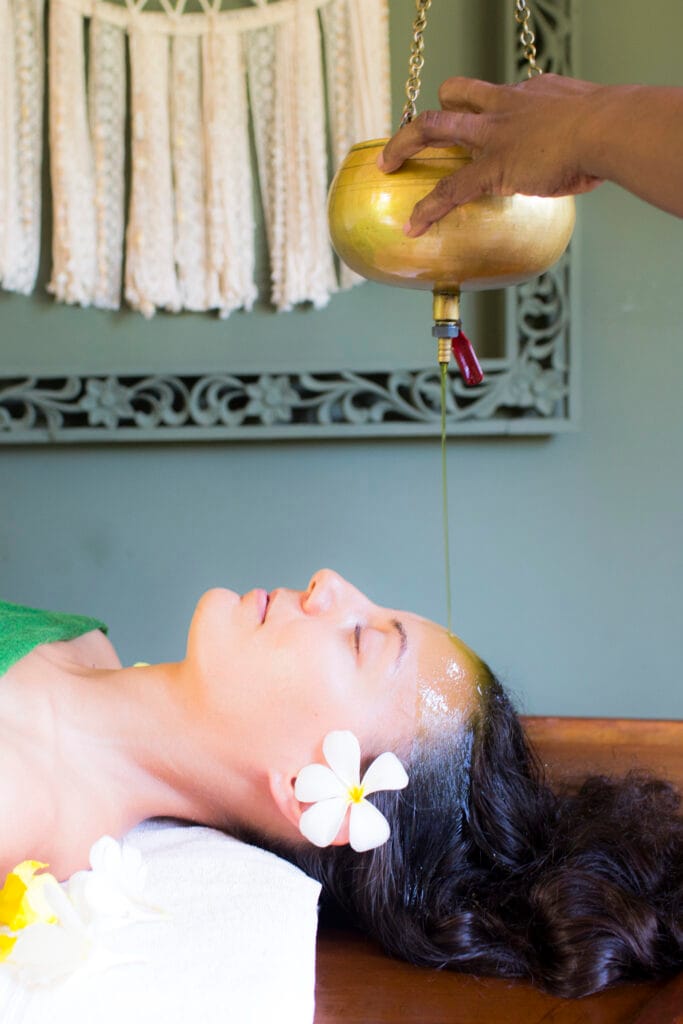
The Ayurvedic programme was one of the highlights of my stay. We had four treatments every day, and they were both very professional and wonderfully varied. From different types of massages and herbal baths to steam baths, acupuncture and oil treatments on the forehead, every treatment felt special and was carried out with great care and attention.
Activities:
The daily activities were also incredibly diverse. There was yoga and meditation every day, temple visits, a cooking class, turtle watching, a visit from a monk, a lagoon boat trip, as well as beautiful ceremonies involving cacao and blue lotus. Everything was conducted in a very intentional, heartfelt and almost ceremonial way.
Community:
One of the things I loved most was the sense of community. Because everyone eats together and participates in activities together, it is very easy to connect with other guests. I met so many wonderful people during my stay and even made friendships that I hope will last beyond the retreat. This sense of community made the experience even more special.
Overall, Sen Wellness Sanctuary is a beautiful place to slow down, reconnect with yourself, explore Ayurveda and meet wonderful people. It is a place filled with love, intention and heart, surrounded by breathtaking nature, a peaceful beach and the beautiful lagoon. I would absolutely come back.


The entire staff was exceptionally friendly, attentive, and professional, from the waiters to the doctors, therapists and everyone else working at the sanctuary. Their kindness and genuine care made our stay truly special.
The treatments were excellent, the atmosphere was peaceful and relaxing, and we always felt in very good hands. We also enjoyed beautiful experiences with our group, including memorable excursions and activities that added a special touch to our stay.
Thank you to the whole team for an unforgettable experience. We would love to come back one day!

The consultation with the ayurvedic doctor was in-depth and I was amazed at the accuracy of the diagnosis. The treatment was personalised for my condition and not a mindless sequence of procedures. The therapists are sympathetic and have the expertise .
It was not all about ayurveda though! Yoga twice curated mindfully, community feeling with all the guests eating and sharing their journey at the dining table and common spaces, cacao ceremony, fire ceremony, the connection with one another and the eternal- all came together to make this a most memorable experience.
The staff has always been friendly, polite, accommodating and only too helpful to make our journey comfortable.
Added to all this were sightings of majestic monitor lizards, buff striped keelback, brahminy kits, friendly squirrels, the cheat crow who would regularly eat up the lamp wick and drink it's oil....to all my gratitude. The thunderous sea and the awe inspiring sunset from the rock pool, i will carry you forever in my heart.

ceremony and sound healing with the inhouse monk were among the highlights- plus fantastic yoga lessons by Tanya. With gratitude..


The place, the architecture, the interior, the location are just magical.
I initially intended to stay 4 days but ended up extending.
It‘s beautifully nestled in between wildlife, we had monkeys, chipmunks and peacocks as our neighbors.
However there are a few things I‘d like to highlight for you to judge whether this is for you:
1) the approach is more wellness centered. The doctor will ask you questions like „what would you like?“ and „do you have questions for me“, rather than a check-up when it comes to treatments and accupuncture. Perhaps I‘m coming from a TCM point of view, but the doctor usually knows what the patient needs.
2) if you come here with serious health issues and the hope to recover: it is about wellness. Staff is not trained enough to understand injury informed trauma in the body and can not take care of it.
Staff usually gets trained there and has no prior education on these matters.
3) the food is not tailored to your needs. The approach is quite beautifully freeing: a little bit of everything is ok, and all flavours should be on each plate.
4) your food preferences are not noted initally, sometimes the dinners were fish-based and vegetarian or vegan people had to let kitchen staff know the situation. Once that had been done they quickly fried up some eggs and remembered for the rest of the stay, so all is well. However I would have liked to see a thoughtfully substituted meal for all dietary requirements by the doctors.
My vegan friend got no substitute, the day after she got some steamed cabbage offered to replace the protein.
4) there are a lot of mosquitos due to the location. So if you are sensitive to this, it‘s best to bring a lot of mosquito repellent.
6) the Yoga varies. It’s young volunteer Yoga Teachers — although we had one amazing one called Gil, who took care of everyone properly.
Considering people come here with health issues and of different ages and fitness levels, a lot more props, adjustments an modifications are needed than currently offered. I witnessed a few injuries and at this price point would expect a paid Yoga Teacher with experience and suitable expertise.
7) the place itself is magical. But there is a dark side to it: some, especially young staff, appear to be paid >below< national minimum wage (which as of Jan 2026 is 30 000 LKR a month, which equals 81€). That‘s less than half of what I paid in a single day here.
Considering every guest leaves a couple of thousand dollars there at a time and there are always 10+ guests, I would expect them all to get paid very decently.
If the philosophy of the place shall be matched with it‘s reality, for energetic balance of this place, wages need to be increased urgently to an amount so all staff can suffice on one full time job.
I am expecting a throw back in the response, as I have seen for many other reviews that pointed this out. Bit I just know it‘s true.
It can be felt. And no words can undo the energetic essence of underpaid staff in a luxury wellness resort.
Any guest will feel it until it is fixed.
I want to see staff empowered. Both in salary and voice.
I think it would be a misuse of power, which doesn‘t match the philosophy of the place, to disallow staff to speak about their salaries.
8) it is luxury in the service: nicely assembled food, expensive furniture and design. But it is also at a remote beach in between nature: sometimes there is power outage, there‘s moisture, the natural elements and animals do their thing.
I can understand this and am not too fuzzy, but wanted to share that it‘s an interesting mix between glamping and a 5 star resort — so be prepared and don‘t expect everything to be neat, clean and always working.
My room for example, the cheapest one at 130$ a night was dark with no real window and moist and smelled like drain.
After all: I would stay again, but not at this price point.
I still want to thank all staff for their welcoming energy, their smiles and their service. 🌟


The staff are incredibly kind and attentive, the treatments are varied and tailored to your needs, and the Ayurvedic food is delicious. Daily yoga, meditation, breathwork, and chanting make the whole experience deeply nourishing.
An incredible retreat that I would love to return to.

The Final Word
Eczema can affect the mind as well as the body, causing sufferers to feel even more anxious and stressed, which in turn makes their symptoms worse. Ayurveda aims to provide holistic support in line with individual needs by removing toxins, releasing stress and restoring balance. This, in turn, can radically improve a patient’s quality of life.
In the words of Sen Wellness practitioner Dr Harnika: “Never be ashamed of your skin; it simply means you were stronger than whatever stress or tiredness hurt you. Do not allow your skin to turn you into a person you are not.”