
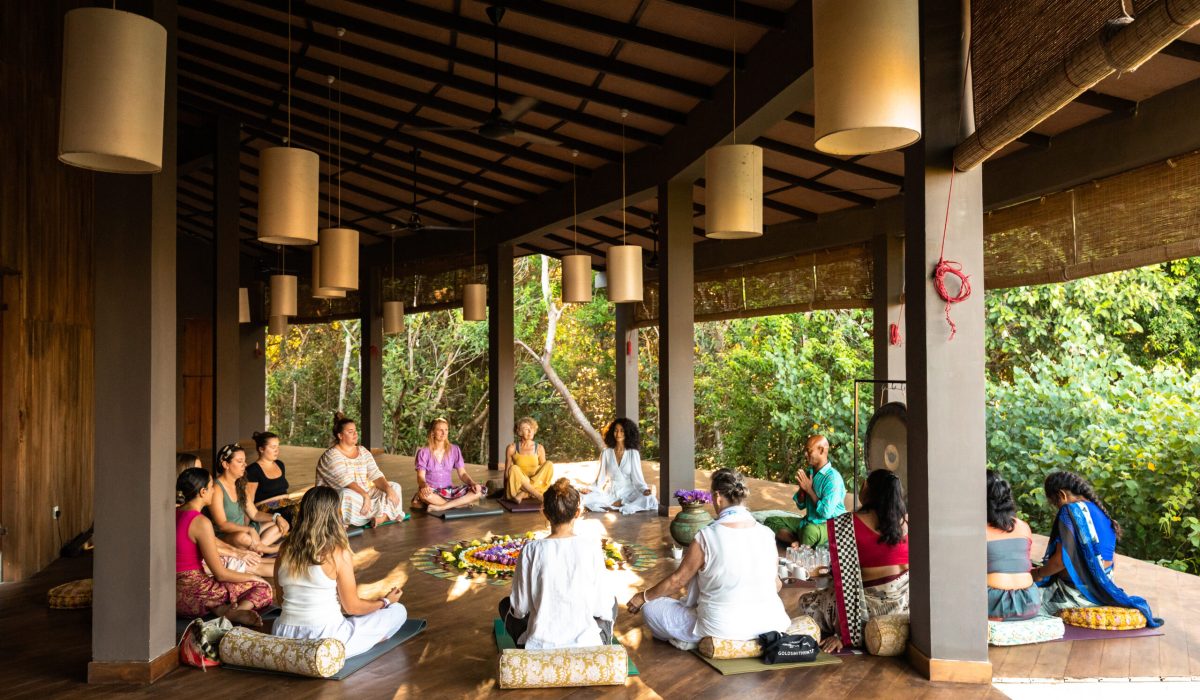
Clinical Insight Series - Part II
Burnout Is a Whole-Body Experience
For many years, burnout was primarily viewed through a psychological lens. Today, contemporary research paints a much broader picture.
Burnout is increasingly understood as a complex physiological and psychological response to prolonged, unresolved stress. Rather than affecting a single organ or one aspect of our health, it influences an intricate network of biological systems that continuously communicate with one another.
This helps explain why burnout can look so different from one individual to another:
- One person experiences anxiety.
- Another develops persistent fatigue.
- Someone else struggles with insomnia, digestive symptoms, chronic pain, reduced immunity, or a growing sense of emotional numbness.
Different symptoms. One interconnected human system.
Modern neuroscience, endocrinology, sleep medicine, behavioural science, and psychoneuroimmunology are helping us understand that burnout is not simply about working too hard. It is about what happens when the body’s capacity to regulate itself is gradually overwhelmed.
The Nervous System: The Body's Master Regulator
At the centre of burnout lies the autonomic nervous system.
Without conscious effort, it regulates breathing, heart rate, blood pressure, digestion, immune function, metabolism, temperature regulation, emotional responses, and countless other processes essential for life.
Its task is remarkably sophisticated:
- When life demands action, the sympathetic nervous system prepares us by increasing alertness, mobilising energy, and sharpening attention.
- When the challenge has passed, the parasympathetic nervous system supports recovery. Breathing slows. Digestion resumes. Tissues repair. Sleep becomes restorative. The body returns towards balance.
Health depends upon moving flexibly between these states. Burnout develops when that flexibility begins to disappear.
Months or years of continuous demands can leave the nervous system operating as though every day requires constant vigilance. The body becomes highly efficient at surviving and less efficient at recovering.
Increasingly, research into autonomic regulation including the work of Professor Stephen Porges has expanded our understanding of how feelings of safety, connection, and physiological regulation influence recovery. While aspects of Polyvagal Theory continue to be explored within scientific research, the importance of autonomic regulation in physical and emotional wellbeing is now widely recognised.
Allostatic Load: The Cost of Constant Adaptation
One of the most influential concepts in modern stress physiology was introduced by Professor Bruce McEwen. He described allostatic load as the cumulative biological burden created when the body repeatedly adapts to chronic stress without adequate recovery.
This is an important shift in understanding: burnout rarely develops because of one exceptionally difficult day. It develops because hundreds, sometimes thousands, of small physiological adaptations accumulate over months and years, such as:
- Interrupted sleep
- Long working hours
- Emotional responsibility
- Financial uncertainty
- Constant digital stimulation
- Lack of movement
- Poor nutrition
- Too little time outdoors
- Too little genuine rest
The body initially adapts with extraordinary intelligence. Eventually, however, adaptation itself becomes exhausting. The biological cost of continually maintaining performance begins to exceed the body’s capacity to recover.

The Endocrine System: Living Under Continuous Demand
The endocrine system works closely with the nervous system to coordinate our response to challenge.
Hormones such as cortisol are essential for life. They regulate energy, metabolism, immune function, and help us respond appropriately to changing circumstances.
Problems arise not because cortisol exists, but because chronic stress may gradually disrupt the body’s natural rhythms. Healthy cortisol follows a daily pattern, supporting wakefulness in the morning and gradually declining towards evening as the body prepares for sleep. During prolonged periods of stress, these rhythms may become less predictable.
Current research suggests the relationship between burnout and hormonal regulation is complex. Burnout cannot be explained simply by “high cortisol” or “low cortisol.” Instead, scientists increasingly view it as a disturbance of multiple regulatory systems rather than one isolated hormonal imbalance.
Sleep: The Foundation of Recovery
Perhaps no biological process is more important to recovery than sleep.
During deep, restorative sleep, the brain consolidates memory, tissues repair, hormones are regulated, immune function is strengthened, and the nervous system recalibrates after the demands of the day.
It is therefore unsurprising that disturbed sleep is one of the earliest and most persistent features of burnout:
- Some people struggle to fall asleep.
- Others wake repeatedly throughout the night.
- Many sleep for sufficient hours yet awaken feeling as though they have never truly rested.
Poor sleep gradually affects almost every aspect of health attention declines, decision-making becomes more difficult, pain sensitivity may increase, emotional resilience diminishes, and stress becomes harder to manage.
The cycle becomes self-perpetuating: stress disrupts sleep, poor sleep reduces resilience, and reduced resilience makes future stress more difficult to manage.
Breaking this cycle is one of the foundations of sustainable burnout recovery.
Digestion, Immunity and Inflammation
Many people are surprised when digestive symptoms become one of the earliest signs of burnout. Yet the digestive system and nervous system are in constant communication through neural, hormonal, and immune pathways.
When the body remains focused on survival, digestive processes often become less efficient:
- Appetite changes
- Bloating develops
- Bowel habits alter
- Food intolerances may appear more noticeable
The immune system is similarly influenced. Research increasingly demonstrates that prolonged stress can alter immune regulation and inflammatory signalling. Although many questions remain under investigation, it is becoming increasingly clear that chronic stress influences much more than our emotional wellbeing — it influences the physiology of the whole person.
Why High Performers Often Miss Burnout
One observation has remained remarkably consistent throughout clinical practice: burnout frequently affects highly capable people — entrepreneurs, healthcare professionals, executives, teachers, parents, and leaders.
Not because they are less resilient. Quite the opposite — they have often become exceptionally skilled at adapting. They continue performing long after their biological reserves have begun to decline. Success becomes a way of compensating.
The body whispers. The mind continues pushing forward. Eventually, those whispers become impossible to ignore.
This is why burnout often appears sudden. In reality, it has usually been developing quietly over many years.
Every Burnout Story Is Different
Although there are common biological patterns, no two experiences of burnout are identical. Two people may describe the same exhaustion while arriving there through completely different journeys:
- One may have carried years of executive responsibility.
- Another, prolonged caregiving.
- Another, unresolved grief.
- Another, trauma.
- Another, chronic illness.
- Another, simply the relentless accumulation of modern life.
The symptoms may look similar. The stories are not.
This is why burnout should never be approached as a standard protocol or a checklist of symptoms. It requires careful listening, clinical experience, a broad understanding of human physiology, and an appreciation that recovery must be tailored to the individual rather than the diagnosis.
Our Clinical Philosophy
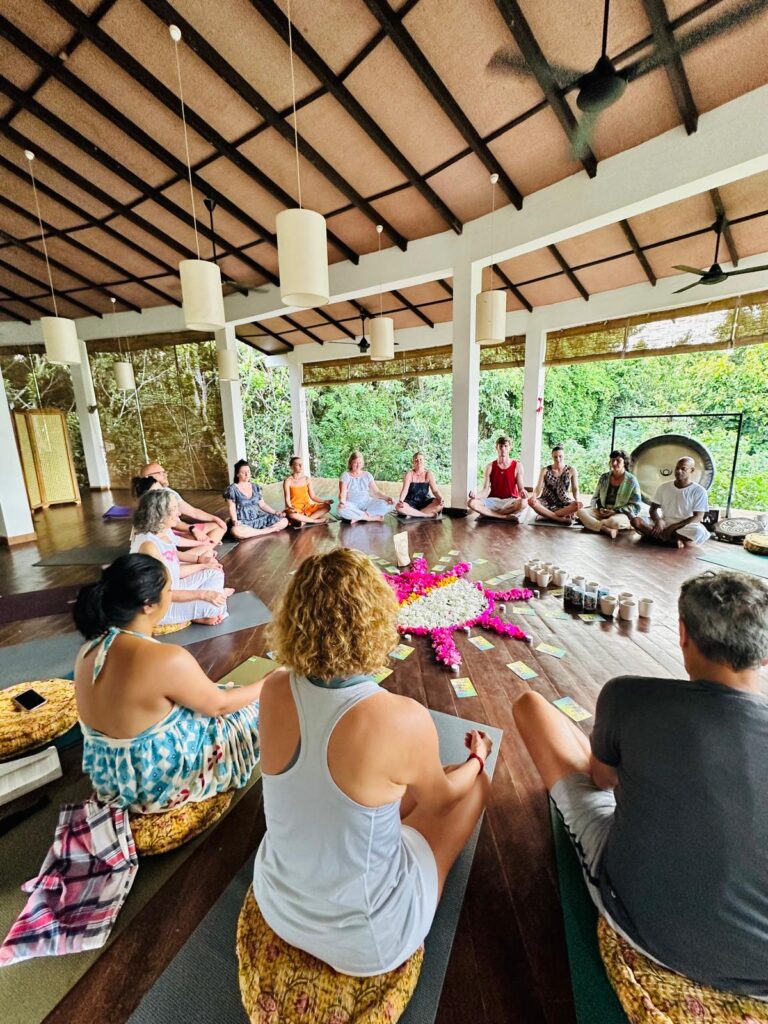
This understanding has gradually shaped the clinical philosophy of Sen Wellness Sanctuary. Over three decades of clinical practice from London’s medical district to Sri Lanka we repeatedly encountered people whose difficulties could not be understood through one discipline alone. They required care that considered the nervous system, sleep, movement, nutrition, emotional wellbeing, relationships, environment, and purpose together.
This whole-person approach has become the foundation of our Burnout Recovery Journey. It continues to evolve through clinical observation, collaboration with researchers, and a commitment to evidence-informed practice. Our aim is not to replace conventional medicine, but to complement it by creating the conditions in which the body’s own capacity for regulation and recovery can be supported.
Ultimately, if burnout affects the whole person, recovery should honour the whole person.
Coming up in Part III of this Clinical Insight series: how to recognise the early signs of burnout, how burnout differs from depression and anxiety, why specialist assessment matters, and why a sanctuary can become a powerful environment for recovery.
by Dr.sam kankanmge
