

The Breath Has Always Been Here
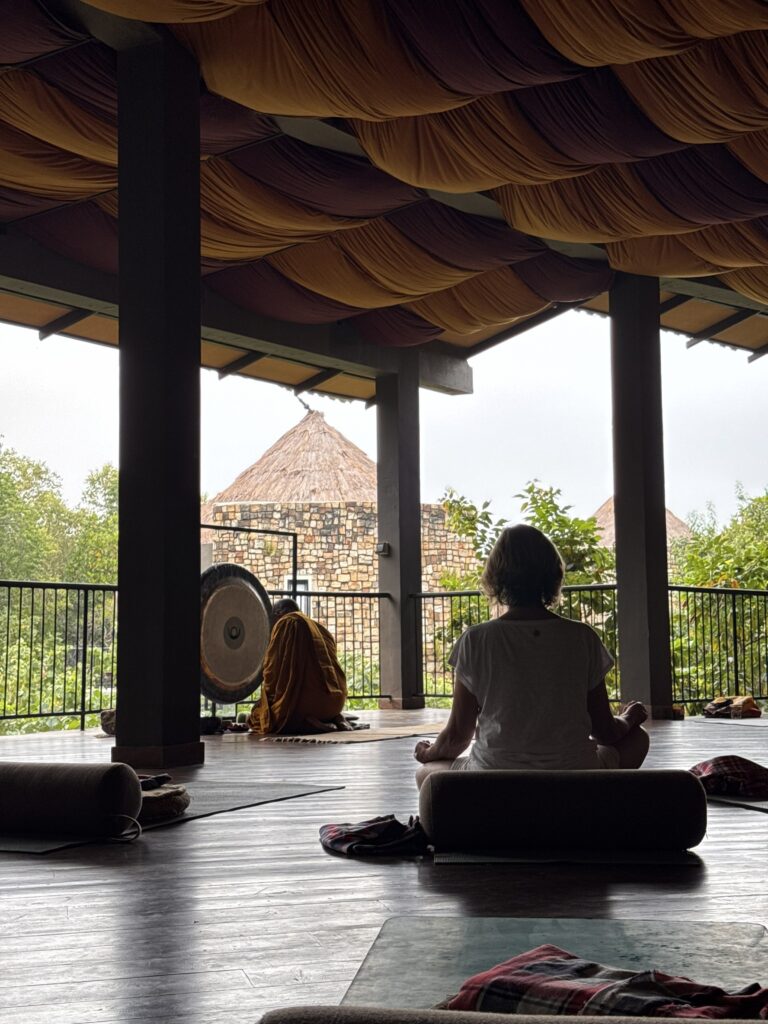
There is a moment, early in the morning at the sanctuary, before the light has fully arrived, when everything is still. The lagoon holds its surface like glass. The ocean exhales in long, slow movements against the shore. And somewhere on the yoga platform, a small group of people begin to breathe – consciously, deliberately, together.
It is one of the simplest things a human being can do. And it is one of the most powerful.
In a world that has become faster, louder, and more digitally saturated than at any point in human history, people are arriving at a quiet and remarkable discovery: one of the most profound tools for healing, resilience, and genuine wellbeing has been with them all along. Not in a new app. Not in a new technology. In the breath they have been taking since the moment they were born.
At Sen Wellness Sanctuary, we have worked with the breath for over two decades – not as a technique to be learned, but as a relationship to be deepened. We view breathwork as a sacred practice. A therapeutic practice. A bridge between the body we inhabit and the intelligence that governs it. And a doorway to something that most people, in the noise of their ordinary lives, have forgotten exists: stillness.
This is not a trend. The yogis of India understood it. The Buddhist meditation masters of Asia built entire traditions around it. The contemplative healers of every civilisation knew that the breath was not simply a respiratory function – it was the thread that connected the human being to something vast and sustaining.
What is new is not the breath. What is new is how urgently the modern world needs it.
Why Now
Modern life keeps most people in a state of chronic stimulation. Constant notifications. Digital distractions. Demanding schedules. Information arriving faster than the nervous system can process it. The increasing influence of artificial intelligence and technology has created an environment where many people spend most of their waking hours in a subtle but persistent stress response – their bodies conditioned to operate in survival mode without even knowing it.
The consequences are not abstract. They arrive as fatigue, anxiety, poor sleep, emotional reactivity, digestive disturbance, chronic tension, and a growing sense of disconnection – from themselves, from their bodies, from one another, and from the natural rhythms that human beings were designed to live within.
Breathwork offers a direct and accessible way back. It requires no equipment. No special environment. No extensive training. The breath is always available – always waiting, always patient, always ready to be the first step toward something deeper.
Through conscious breathing, we can influence the autonomic nervous system – the system that governs heart rate, blood pressure, digestion, immune function, and emotional regulation. We can reduce cortisol. We can increase heart rate variability. We can activate the body’s natural capacity for healing and restoration. And we can do all of this with nothing more than our own presence and our own breath.
The Science - What Happens When We Breathe Consciously
The breath is one of the very few physiological processes that operates both automatically and voluntarily. This is not an accident. It is the design. The breath is, quite literally, a bridge between the parts of us we cannot consciously control and the part of us that can choose to intervene.
When we experience stress, anxiety, fear, or emotional overwhelm, the sympathetic nervous system activates – the body’s survival response. Cortisol and adrenaline flood the system. Heart rate increases. Muscles tense. The mind narrows its focus to threat. This is essential for survival. But when the stress response becomes chronic – when we live in it day after day, month after month – it erodes our health, our sleep, our emotional resilience, and our capacity for connection and joy.
Conscious breathing practices work by activating the parasympathetic nervous system – the body’s counterbalance. Slow, rhythmic breathing stimulates the vagus nerve, one of the most important regulatory pathways in the body. Increased vagal activity signals safety to the brain. Cortisol levels decrease. Heart rate slows. Blood pressure stabilises. The body shifts from survival mode into what it was always designed to return to: a state of healing, restoration, and deep rest.
Research has shown that regular breathwork positively influences key neurotransmitters and brain chemistry. By calming the nervous system, breathwork supports the availability of serotonin, dopamine, GABA, and endorphins – the biochemical foundations of mood, emotional balance, resilience, focus, and genuine wellbeing.
But breathwork is not only a physiological intervention. It is also, as every wisdom tradition has understood, a gateway to the emotional body. As the nervous system relaxes and protective stress responses soften, emotions that have been suppressed, unresolved, or stored within the body may begin to surface. Grief. Fear. Joy. Relief. The things we did not have the space or the safety to feel at the time they happened. In a safe and supportive environment – held by experienced practitioners – this process can facilitate profound emotional release, greater self-awareness, and deep, lasting healing.
This is why people sometimes weep during breathwork. Not because something is wrong. Because something is finally right.
Oxygen, Carbon Dioxide, and the Doorway to Deeper States
Certain forms of therapeutic breathwork involve intentional changes in breathing patterns that temporarily alter the balance of oxygen and carbon dioxide in the body. These shifts are not incidental. They are part of the medicine.
Under normal conditions, oxygen and carbon dioxide work in partnership to maintain optimal cellular function. Carbon dioxide, often overlooked, plays a crucial regulatory role – maintaining blood pH, influencing blood vessel dilation, and governing how efficiently oxygen is delivered to tissues and cells through what is known as the Bohr Effect.
During certain breathwork practices, faster or deeper breathing may temporarily reduce carbon dioxide levels in the blood. This can alter blood flow patterns in the brain, heighten sensory awareness, and produce experiences that range from tingling and warmth to vivid imagery, emotional release, and expanded states of consciousness.
Other methods incorporate breath retention – brief, controlled periods of reduced oxygen availability that create a mild hypoxic stimulus. Research suggests that shortterm intermittent hypoxia may activate adaptive physiological pathways associated with resilience, cellular repair, and neuroplasticity. These are the body’s own mechanisms for renewal – triggered not by external intervention, but by the breath itself.
Functional brain imaging studies suggest that breathwork can alter activity in brain regions involved in emotional regulation, self-awareness, attention, and the processing of memory. As habitual stress patterns relax, material that has been held beneath the surface – emotions, memories, patterns – may become accessible to awareness. This is not a side effect. It is part of the purpose.
At Sen Wellness Sanctuary, we approach these deeper breathwork experiences with the respect they deserve. They are not performative. They are not recreational. When guided safely by experienced practitioners within a supportive, trauma-informed environment, they can provide one of the most powerful opportunities available to regulate the nervous system, access emotional truth, and reconnect with the body’s innate capacity for transformation.
A note on scientific accuracy: Breathwork does not directly ‘release’ neurotransmitters in the way a drug does. Rather, it influences physiological conditions that affect autonomic nervous system balance, brain blood flow, CO₂ and O₂ regulation, neuroplasticity pathways, stress hormone regulation, and neurotransmitter activity including dopamine, serotonin, GABA, endorphins, and norepinephrine.
Sen Wellness Sanctuary
The Practices - Not All Breathwork Is the Same
Different techniques create different effects. Understanding this distinction is part of practising responsibly and finding the path that is right for you.
Continuous breathing without pauses between the inhale and exhale, creating a circular pattern. It can release accumulated stress, increase self-awareness, improve vitality, and open access to deeper states of relaxation and insight. Many participants describe emotional breakthroughs and a profound sense of inner freedom.
Developed by psychiatrist Dr. Stanislav Grof, it combines accelerated breathing with evocative music and focused inner awareness. The word ‘holotropic’ means moving toward wholeness. Used for personal transformation, emotional healing, trauma processing, and spiritual exploration – typically facilitated in a structured group setting by trained practitioners.
Four equal phases – inhale for four counts, hold for four, exhale for four, hold for four. Simple, precise, and immediately effective. Used widely by athletes, military personnel, and meditation practitioners for rapid stress reduction, improved focus, and nervous system regulation.
Foundational – deep breathing into the belly rather than shallow breathing into the chest. It activates the parasympathetic nervous system, reduces stress and anxiety, improves oxygen exchange, supports digestion, and enhances sleep quality. Many therapeutic practices begin here.
From the yogic tradition – breathing through one nostril at a time using a specific hand position. Traditionally understood to balance the body’s energy channels. Modern benefits include reduced stress, improved concentration, emotional balance, and preparation for deeper meditation.
Slow breathing at approximately five to six breaths per minute – a rhythm that research suggests may optimise heart rate variability, one of the most important markers of nervous system resilience and adaptability. Improves vagal tone, reduces cortisol, enhances emotional regulation, and creates a profound sense of calm.
Combines deep rhythmic breathing, breath retention, cold exposure, and mindset training. Builds stress resilience, enhances energy, supports immune response, and develops mental focus and tolerance to physical challenge.
One of the oldest documented breath-based practices, taught by the Buddha over 2,500 years ago. Unlike many modern methods, the emphasis is not on changing the breath but on observing it with awareness. It cultivates mindfulness, concentration, emotional balance, and the capacity for deep meditative states. It remains one of the most researched contemplative practices in the world.
At Sen Wellness Sanctuary, breathwork is integrated with meditation, movement, Ayurveda, and the healing presence of the natural world. The practice is never prescribed. It is offered – and the right method reveals itself in the space between the practitioner and the person who has come to heal.
A Note on Safety and Care
Breathwork is powerful. And like all powerful things, it must be approached with respect.
Certain practices – particularly intensive techniques such as Holotropic Breathwork and Conscious Connected Breathwork – can create significant physiological, emotional, and psychological responses. This is part of their value. But it also means they are not suitable for everyone in every circumstance.
- Cardiovascular conditions or uncontrolled blood pressure
- History of stroke or aneurysm
- Severe asthma or significant respiratory conditions
- Epilepsy or seizure disorders
- Serious heart conditions or arrhythmias
- Recent major surgery or physical injury
- Pregnancy (particularly intensive methods)
- Glaucoma or retinal detachment
- Severe osteoporosis
Those experiencing severe anxiety disorders, panic disorder, bipolar disorder, psychotic disorders, complex trauma, or acute psychological distress should seek professional guidance before engaging in intensive breathwork. This does not mean breathwork is unsuitable – it means the approach must be carefully chosen and appropriately supported.
Individuals taking antidepressants, anti-anxiety medications, mood stabilisers, antipsychotic medications, or sleep medications should inform their facilitator before any session. Breathwork is not a replacement for medical treatment. It is a complement to it.
- Tingling sensations in the hands, feet, or face
- Changes in body temperature
- Muscle tension or cramping
- Lightheadedness
- Emotional release crying, laughter, feelings of joy
- Vivid memories or imagery
- Deep relaxation or heightened awareness
These are generally normal and temporary, resulting from shifts in breathing patterns, nervous system activity, and carbon dioxide levels.
Some people experience deep calm, increased energy, emotional sensitivity, enhanced clarity, or fatigue. Integration practices – journaling, meditation, walking, rest – are recommended. The body continues processing long after the session ends.
Our approach: At Sen Wellness Sanctuary, breathwork is offered within a safe, supportive, and trauma-informed environment. Every individual has a unique history. Sessions are tailored accordingly, with an emphasis on safety, consent, nervous system regulation, and the whole person.
Where Ancient Wisdom Meets Modern Research
Over the past several years, Sen Wellness Sanctuary has been privileged to engage in ongoing dialogue and collaboration with leading researchers, clinicians, and practitioners exploring the emerging science of breathwork, consciousness, and human wellbeing. This includes researchers associated with Humboldt University in Berlin, who are helping to advance our understanding of how breathwork influences the brain, the nervous system, emotional health, and states of consciousness.
Neuroscientists at Stanford have identified neural circuits linking breathing patterns to states of calmness, attention, anxiety, and emotional regulation. Research led by Professor Mark Krasnow revealed how directly and immediately breathing influences brain function. More recently, Stanford researchers demonstrated that even a few minutes of daily structured breathwork can significantly improve mood, reduce anxiety, and support emotional resilience.
Researchers and clinicians at Johns Hopkins have explored the role of breathing practices within broader approaches to mental health, mindfulness, and consciousness research. Diaphragmatic breathing is now recognised as a powerful tool for reducing stress, lowering cortisol, and improving symptoms associated with anxiety, depression, and sleep disturbance. Their growing interest in altered states of consciousness, trauma healing, and integrative therapeutic approaches – including Holotropic Breathwork – points to a wider scientific recognition of what practitioners have known for millennia.
Over recent years, our dialogue has included researchers associated with Humboldt University, where growing interest has emerged in understanding how breathwork influences psychological wellbeing, emotional regulation, and states of consciousness. This collaboration sits at the heart of our belief that ancient wisdom and modern science are not opposing forces – they are complementary ways of understanding the same profound truth.
"Neither ancient wisdom nor modern science needs to stand alone. They enrich one another."
At Sen Wellness Sanctuary, our approach to breathwork reflects this meeting point. Through carefully facilitated experiences, we integrate ancient breathing practices, meditation, Ayurveda, and modern understandings of the nervous system to create something that is both deeply rooted in tradition and informed by the latest scientific discoveries.
We are grateful for the opportunity to contribute to this evolving field – and to continue learning alongside researchers, practitioners, and wisdom traditions from around the world.
An Invitation
The breath has always been here. It was here before you knew its name. It was here before the science could explain it. It was here in the first moment of your life, and it will be here in the last.
What changes is your relationship to it.
At Sen Wellness Sanctuary, we offer the space, the guidance, and the unconditional care to help you deepen that relationship – whether you come for a single session or a full retreat, whether you are a complete beginner or a lifelong practitioner, whether you arrive carrying the weight of the world or simply the quiet desire to breathe more freely.
The breath is waiting. And so are we.
