Sen healing journal

Why recovery begins with understanding the individual not simply treating the symptoms.​

Clinical Insight Series – Part III Recognising the Signs of Burnout: Listening Before the Body Shouts One of the greatest challenges with burnout is that it rarely announces itself dramatically. More often, it arrives quietly. It begins with subtle changes that are easily dismissed as being “busy,” “under pressure,” or simply “getting older.” Because these changes often develop gradually, many people adapt to them without realising how much their capacity for recovery has diminished. Common Early Signs of Burnout Some of the early signs may include: waking unrefreshed despite adequate time in bed, persistent physical or emotional exhaustion, difficulty concentrating or persistent “brain fog”, reduced creativity or motivation, disturbed sleep, increasing anxiety or irritability, emotional numbness, digestive changes, frequent headaches or muscular tension, relying increasingly on caffeine, alcohol, sugar, or constant activity simply to maintain performance, withdrawing from relationships, feeling disconnected from work, family, or oneself, losing the ability to experience genuine joy, curiosity, or presence. Not everyone will experience all of these symptoms. Some people notice only one or two. Others recognise many. The important point is this: These symptoms are signals. They are the body’s way of communicating that its capacity to regulate and recover may be under increasing strain. Burnout Is Not the Same as Depression Burnout is frequently confused with depression, anxiety, chronic fatigue, or other stress-related conditions. While these experiences may overlap, they are not identical. Depression can affect every aspect of life regardless of circumstance and requires careful medical assessment and appropriate treatment. Burnout, as currently defined, is most closely associated with prolonged, unresolved stress and often develops gradually through sustained demands that exceed the individual’s capacity for recovery. Similarly, persistent fatigue may have many possible causes, including endocrine disorders, nutritional deficiencies, sleep disorders, autoimmune disease, infection, medication effects, or other medical conditions. For this reason, no one should assume that exhaustion automatically means burnout. A thoughtful clinical assessment remains essential. One of the most important responsibilities of healthcare is not simply recognising burnout, but recognising when something else may be contributing to a person’s symptoms. Why There Is No Standard Burnout Recovery Programme Perhaps the most important lesson I have learned throughout more than three decades of clinical practice is this: No two experiences of burnout are the same. The symptoms may appear similar. The stories that created them rarely are. One individual may have spent years leading a global organisation. Another caring for an ageing parent. Another navigating grief. Another recovering from illness. Another living through prolonged uncertainty. Each arrives carrying a different story. For this reason, meaningful recovery cannot begin with a standard protocol. It begins with listening. Listening to the person’s history. Listening to their body. Listening to what life has been asking of them for months—or perhaps years. Only then can recovery become genuinely personalised.   Why We Developed the Burnout Recovery Journey Over many years, one observation became increasingly clear. People experiencing burnout rarely needed one treatment. A massage alone was not enough. Meditation alone was not enough. Nutrition alone was not enough. Exercise alone was not enough. Each has an important place. None is sufficient on its own. This understanding gradually shaped the Burnout Recovery Journey at Sen Wellness Sanctuary. It was not created as a wellness package. It evolved through decades of clinical practice, caring for thousands of people, learning from colleagues across medicine and psychology, and remaining deeply curious about one enduring question: What genuinely helps human beings recover? The answer was never one therapy. It was the thoughtful integration of many disciplines around one individual. Today, our approach combines appropriate medical assessment with personalised Ayurveda, therapeutic bodywork, osteopathic principles, restorative movement, breathwork, meditation, nutrition, sleep restoration, time in nature, meaningful conversation, and the support of an experienced multidisciplinary team. Each element contributes something valuable. Together, they create the conditions that support the body’s own capacity for regulation and recovery. Our intention is not to replace conventional medicine. Rather, it is to complement it through a whole-person model of care that recognises the complexity of burnout and honours the individuality of every guest. Why a Wellness Sanctuary Matters for Burnout Recovery People often ask why someone experiencing burnout would travel to a sanctuary. The answer is surprisingly simple. Recovery requires conditions that modern life often struggles to provide. Time. Stillness. Restorative sleep. Nutritious food. Nature. Silence. Gentle movement. Meaningful conversation. A supportive community. Space to think. Space to breathe. Space to reconnect. A sanctuary is not simply a destination. It is an environment intentionally created to reduce unnecessary demands while strengthening the biological and psychological conditions that support recovery. Nature itself plays an important role. Growing evidence suggests that time spent in natural environments can reduce physiological stress, improve mood, support attention, and encourage nervous system regulation. For many people, simply slowing down within a carefully held environment becomes the beginning of remembering what health once felt like. Looking Towards the Future of Burnout Care Burnout is one of the defining stress-related health challenges of our time. Our understanding continues to evolve. Modern neuroscience, behavioural science, sleep medicine, psychophysiology, and systems biology are expanding our understanding of how chronic stress influences the whole person. Equally, ancient healing traditions continue to remind us that recovery is not simply the removal of symptoms. It is the restoration of balance. At Sen Wellness Sanctuary, this meeting point between contemporary science and traditional wisdom continues to shape our work. Alongside caring for our guests, we remain committed to careful clinical observation, collaboration with research partners, and contributing to the growing evidence surrounding whole-person approaches to recovery. There is still much to learn. Every guest teaches us something. Every recovery deepens our understanding. Every conversation reminds us that behind every diagnosis is a human story. A Final Reflection on Burnout and Recovery Burnout is not a personal failure. More often, it is the body’s honest expression that it has been adapting for too long without sufficient opportunity to recover. Recovery does not begin by pushing harder. It begins by

Why recovery begins with understanding the individual not simply treating the symptoms.​ Read More »

Why Recovery Requires More Than Rest

Clinical Insight Series – Part II Burnout Is a Whole-Body Experience For many years, burnout was primarily viewed through a psychological lens. Today, contemporary research paints a much broader picture. Burnout is increasingly understood as a complex physiological and psychological response to prolonged, unresolved stress. Rather than affecting a single organ or one aspect of our health, it influences an intricate network of biological systems that continuously communicate with one another. This helps explain why burnout can look so different from one individual to another: One person experiences anxiety. Another develops persistent fatigue. Someone else struggles with insomnia, digestive symptoms, chronic pain, reduced immunity, or a growing sense of emotional numbness. Different symptoms. One interconnected human system. Modern neuroscience, endocrinology, sleep medicine, behavioural science, and psychoneuroimmunology are helping us understand that burnout is not simply about working too hard. It is about what happens when the body’s capacity to regulate itself is gradually overwhelmed. The Nervous System: The Body’s Master Regulator At the centre of burnout lies the autonomic nervous system. Without conscious effort, it regulates breathing, heart rate, blood pressure, digestion, immune function, metabolism, temperature regulation, emotional responses, and countless other processes essential for life. Its task is remarkably sophisticated: When life demands action, the sympathetic nervous system prepares us by increasing alertness, mobilising energy, and sharpening attention. When the challenge has passed, the parasympathetic nervous system supports recovery. Breathing slows. Digestion resumes. Tissues repair. Sleep becomes restorative. The body returns towards balance. Health depends upon moving flexibly between these states. Burnout develops when that flexibility begins to disappear. Months or years of continuous demands can leave the nervous system operating as though every day requires constant vigilance. The body becomes highly efficient at surviving  and less efficient at recovering. Increasingly, research into autonomic regulation  including the work of Professor Stephen Porges  has expanded our understanding of how feelings of safety, connection, and physiological regulation influence recovery. While aspects of Polyvagal Theory continue to be explored within scientific research, the importance of autonomic regulation in physical and emotional wellbeing is now widely recognised. Allostatic Load: The Cost of Constant Adaptation One of the most influential concepts in modern stress physiology was introduced by Professor Bruce McEwen. He described allostatic load as the cumulative biological burden created when the body repeatedly adapts to chronic stress without adequate recovery. This is an important shift in understanding: burnout rarely develops because of one exceptionally difficult day. It develops because hundreds, sometimes thousands, of small physiological adaptations accumulate over months and years, such as: Interrupted sleep Long working hours Emotional responsibility Financial uncertainty Constant digital stimulation Lack of movement Poor nutrition Too little time outdoors Too little genuine rest The body initially adapts with extraordinary intelligence. Eventually, however, adaptation itself becomes exhausting. The biological cost of continually maintaining performance begins to exceed the body’s capacity to recover. The Endocrine System: Living Under Continuous Demand The endocrine system works closely with the nervous system to coordinate our response to challenge. Hormones such as cortisol are essential for life. They regulate energy, metabolism, immune function, and help us respond appropriately to changing circumstances. Problems arise not because cortisol exists, but because chronic stress may gradually disrupt the body’s natural rhythms. Healthy cortisol follows a daily pattern, supporting wakefulness in the morning and gradually declining towards evening as the body prepares for sleep. During prolonged periods of stress, these rhythms may become less predictable. Current research suggests the relationship between burnout and hormonal regulation is complex. Burnout cannot be explained simply by “high cortisol” or “low cortisol.” Instead, scientists increasingly view it as a disturbance of multiple regulatory systems rather than one isolated hormonal imbalance. Sleep: The Foundation of Recovery Perhaps no biological process is more important to recovery than sleep. During deep, restorative sleep, the brain consolidates memory, tissues repair, hormones are regulated, immune function is strengthened, and the nervous system recalibrates after the demands of the day. It is therefore unsurprising that disturbed sleep is one of the earliest and most persistent features of burnout: Some people struggle to fall asleep. Others wake repeatedly throughout the night. Many sleep for sufficient hours yet awaken feeling as though they have never truly rested. Poor sleep gradually affects almost every aspect of health attention declines, decision-making becomes more difficult, pain sensitivity may increase, emotional resilience diminishes, and stress becomes harder to manage. The cycle becomes self-perpetuating: stress disrupts sleep, poor sleep reduces resilience, and reduced resilience makes future stress more difficult to manage. Breaking this cycle is one of the foundations of sustainable burnout recovery. Digestion, Immunity and Inflammation Many people are surprised when digestive symptoms become one of the earliest signs of burnout. Yet the digestive system and nervous system are in constant communication through neural, hormonal, and immune pathways. When the body remains focused on survival, digestive processes often become less efficient: Appetite changes Bloating develops Bowel habits alter Food intolerances may appear more noticeable The immune system is similarly influenced. Research increasingly demonstrates that prolonged stress can alter immune regulation and inflammatory signalling. Although many questions remain under investigation, it is becoming increasingly clear that chronic stress influences much more than our emotional wellbeing — it influences the physiology of the whole person. Why High Performers Often Miss Burnout One observation has remained remarkably consistent throughout clinical practice: burnout frequently affects highly capable people — entrepreneurs, healthcare professionals, executives, teachers, parents, and leaders. Not because they are less resilient. Quite the opposite — they have often become exceptionally skilled at adapting. They continue performing long after their biological reserves have begun to decline. Success becomes a way of compensating. The body whispers. The mind continues pushing forward. Eventually, those whispers become impossible to ignore. This is why burnout often appears sudden. In reality, it has usually been developing quietly over many years. Every Burnout Story Is Different Although there are common biological patterns, no two experiences of burnout are identical. Two people may describe the same exhaustion while arriving there through completely

Why Recovery Requires More Than Rest Read More »

Understanding Chronic Stress and the Human System

Why burnout is more than exhaustionand why understanding the whole person is the first step towards recovery. Clinical Insight Series – Part I Burnout Is One of the Defining Health Challenges of Our Time We live in an age of extraordinary achievement. Never before have we been so connected, so productive, or had access to so much information. Yet beneath this progress lies a quieter reality. Across every profession and stage of life, more people are living with chronic stress, persistent exhaustion, disturbed sleep, emotional overwhelm, and a growing sense of disconnection from themselves. Burnout has become one of the defining health challenges of the twenty-first century. It affects entrepreneurs building companies, healthcare professionals caring for others, teachers, parents, executives, creatives, caregivers, and countless individuals quietly carrying responsibilities that often go unseen. What they share is rarely a lack of commitment or resilience. More often, it’s the gradual depletion of the body’s remarkable ability to recover. Over three decades of clinical practice, I’ve worked with thousands of people from many different backgrounds. While every story is unique, one observation remains remarkably consistent: most people don’t arrive saying “I have burnout.” Instead, they say things like: “I can’t switch off.” “I’m exhausted, even after sleeping.” “I don’t feel like myself anymore.” “I’m functioning, but I’m no longer living.” These conversations have shaped a long clinical inquiry into one simple question why do some people lose their capacity to recover? That question continues to guide our work today. What Is Burnout, Exactly? Burnout is often described simply as exhaustion. While exhaustion is one feature, it doesn’t capture the full complexity of what many people experience. The World Health Organization (WHO) recognizes burnout within the International Classification of Diseases (ICD-11) as an occupational phenomenon resulting from chronic workplace stress that hasn’t been successfully managed. It’s characterized by three dimensions: Persistent physical and emotional exhaustion Increasing mental distance, negativity, or cynicism toward work Reduced professional effectiveness Importantly, burnout is not classified as a medical disease. This distinction matters: Burnout is not a sign of weakness. It is not a personality flaw. It cannot currently be diagnosed through a single blood test, brain scan, or biological marker. Instead, burnout reflects what happens when prolonged stress repeatedly exceeds the body’s capacity to regulate and recover. Although the WHO definition focuses on occupational stress, clinical experience shows that burnout rarely stays confined to work alone. It reaches into relationships, sleep, mood, digestion, decision-making, creativity, motivation, physical health  and, perhaps most significantly, our sense of connection with ourselves. Burnout Is More Than Stress Stress itself isn’t the problem. Human beings are designed to experience stress challenge helps us grow, sharpens attention, builds resilience, encourages learning, and supports adaptation. Without stress, we couldn’t survive. The problem begins when challenge becomes continuous while opportunities for recovery gradually disappear: Deadlines become constant. Digital devices keep us permanently connected. Family responsibilities increase. Financial pressures accumulate. Sleep becomes shorter. Meals become rushed. Time in nature disappears. Moments of genuine stillness become increasingly rare. The body adapts remarkably well until eventually, it can’t. This is where burnout begins. Not because one difficult week suddenly overwhelms us, but because hundreds or thousands of small adaptations accumulate over months and years. For many people, this process happens almost invisibly. Outwardly, they continue performing. Internally, their capacity to recover is slowly diminishing. By the time they seek support, they’re often not simply tired they’re living with the consequences of chronic physiological stress affecting multiple systems throughout the body. One of the most important developments in contemporary healthcare is the growing recognition that burnout isn’t solely a psychological experience. Research from neuroscience, psychophysiology, endocrinology, sleep medicine, behavioral science, and psychoneuroimmunology increasingly shows that chronic stress affects the entire human organism, including: The brain The autonomic nervous system Hormonal regulation Immune function and inflammation Sleep Digestion and metabolism Emotional regulation Cognitive performance These systems don’t operate independently they communicate continuously. When one becomes persistently dysregulated, the others inevitably begin adapting too. This whole-person perspective helps explain why burnout presents differently from one person to the next. One person develops insomnia. Another experiences persistent digestive symptoms. Someone else notices increasing anxiety, emotional numbness, chronic muscle tension, recurring illness, or profound fatigue. Different symptoms. The same underlying process a human system that has spent too long adapting without enough opportunity to restore itself. Understanding burnout this way changes the conversation. Instead of asking “Which symptom should we treat?”, we begin asking a more useful question: What has prevented this person’s natural capacity to recover?” That question lies at the heart of contemporary science and at the heart of the clinical philosophy that has gradually shaped our work at Sen Wellness Sanctuary. Why This Conversation Matters For much of modern medicine, understanding disease has understandably been the primary focus. Today, another equally important question is emerging: how do human beings recover? Recovery is not simply the absence of illness. It is: The restoration of adaptability The return of energy The recovery of restorative sleep The ability to think clearly The capacity to connect with others The experience of purpose Feeling present within one’s own body again Burnout reminds us that health isn’t created by treating isolated symptoms alone. Health emerges when the whole person is supported. This understanding has become one of the guiding principles of our work not because we believe we have all the answers, but because every individual we meet continues to teach us something about the extraordinary capacity of the human body to heal, when the conditions for recovery are restored. Frequently Asked Questions Is burnout a medical condition? No. The WHO classifies burnout as an occupational phenomenon in the ICD-11, not a medical disease. It reflects chronic, unmanaged workplace stress rather than a diagnosable illness. What are the three main signs of burnout? Persistent physical and emotional exhaustion, growing cynicism or mental distance from work, and reduced professional effectiveness. Can burnout affect the body, not just the mind? Yes. Research shows chronic stress impacts the nervous system,

Understanding Chronic Stress and the Human System Read More »

Why an Integrative Wellness Retreat Can Transform Your Healing Journey

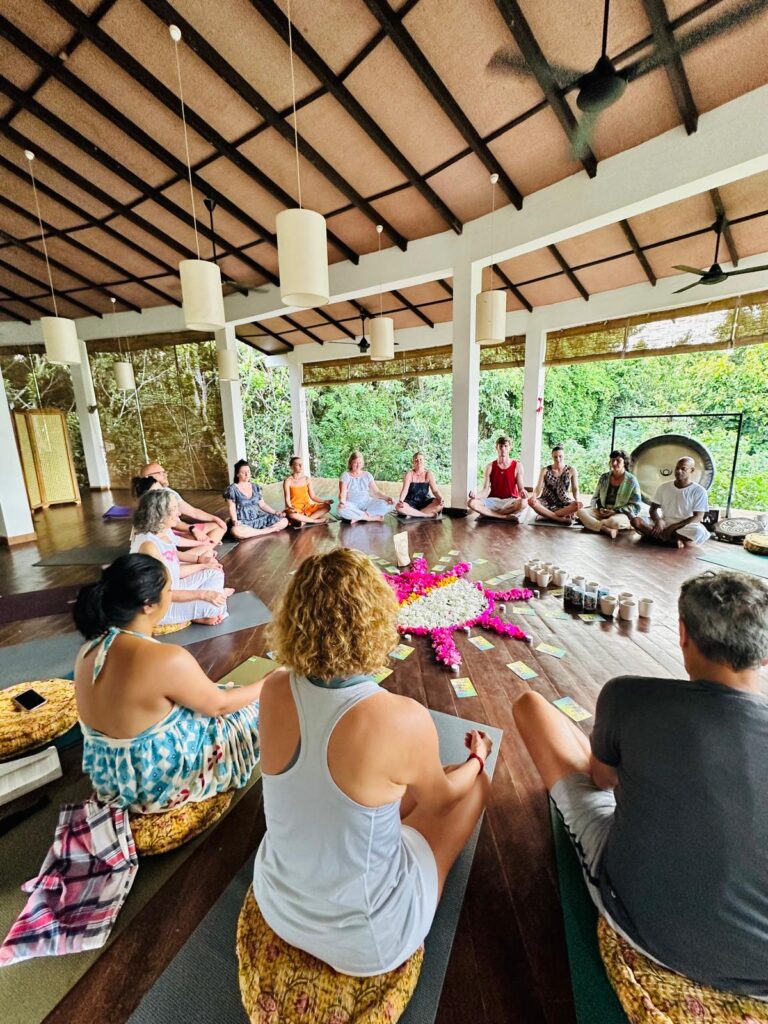
Healing Is Rarely One-Dimensional Ayurveda is a respected foundation for wellbeing. At Sen Wellness Sanctuary we combine it with carefully selected evidence-informed disciplines to create a personalised healing journey. Every Guest Arrives with a Different Story Every programme begins with listening and understanding the individual rather than applying a standard formula. Ayurveda as the Foundation Experienced Ayurvedic doctors provide the foundation upon which the wider programme is designed. The Strength of an Integrative Approach Depending on individual needs, programmes may include osteopathy, acupuncture, therapeutic yoga, breathwork, meditation, nutritional guidance, lifestyle coaching, time in nature and rest. Understanding Modern Life Our approach reflects decades of experience supporting people living demanding modern lifestyles, particularly guests travelling from Europe. A Personalised Healing Journey Personalisation begins with the first enquiry and continues throughout the stay with ongoing reviews and adjustments. More Than a Collection of Treatments Healing emerges through the thoughtful integration of therapies, relationships, nature and personalised care.

Why an Integrative Wellness Retreat Can Transform Your Healing Journey Read More »

What Happens During a Personalised Wellness Consultation?

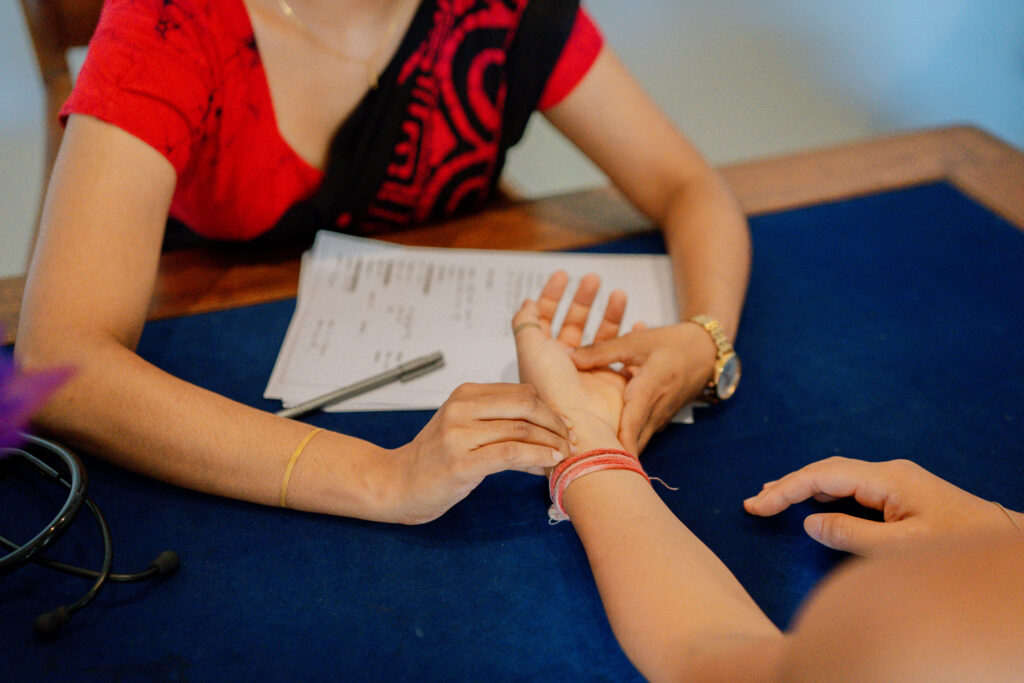
Many people imagine that a wellness consultation is simply the first appointment before treatment begins. At Sen Wellness Sanctuary, we see it differently  for us, the consultation is where the healing journey begins.Long before a guest receives their first treatment, we begin by listening. We want to understand not only why someone has travelled to Sri Lanka, but the story that brought them here. Because every person carries a different story, and every story deserves to be heard. Personalisation Begins Before You Arrive At Sen Wellness Sanctuary, the personalised journey begins long before a guest arrives. From the moment we receive an enquiry, our team starts to understand each person’s health concerns, intentions and aspirations. Working closely with our practitioners and Medical Director, we recommend the most appropriate wellness programme, treatment duration and therapeutic approach before the journey even begins. We recognise that travelling from Europe or elsewhere in the world represents both an investment of time and a commitment to wellbeing. Our responsibility is to ensure that every recommendation is thoughtful, realistic and tailored to the individual. Looking Beyond Symptoms Many guests arrive with physical concerns such as persistent pain, fatigue, digestive challenges or poor sleep. Others arrive carrying emotional exhaustion, burnout, anxiety, or simply the feeling that life has become disconnected from what matters most. These experiences are rarely separate. Physical health, emotional wellbeing, relationships, work, lifestyle and environment all influence one another. For this reason, our consultation explores the whole person rather than focusing only on symptoms. Understanding the Person Behind the Symptoms Healing begins by understanding the person behind the condition. Our consultations explore daily routines, work patterns, family life, movement, nutrition, sleep, emotional wellbeing and personal goals. Most importantly, we create space to listen. Many guests tell us this is the first time they have felt genuinely heard  and sometimes that conversation itself becomes the beginning of healing. A Bridge Between East and West Our approach has been shaped by decades of experience working with people from across Europe and around the world. Before the creation of Sen Wellness Sanctuary, our founder spent more than twenty years practising in London’s Harley Street medical district, gaining a deep understanding of the physical, emotional and psychological pressures of modern Western lifestyles. That understanding continues to guide our work today. Together with our experienced Ayurvedic doctors, therapists and wellbeing practitioners, we combine the wisdom of traditional healing with an appreciation of contemporary lifestyles and cultural needs. Our aim is not simply to treat symptoms — it is to understand the person. A Truly Integrative Approach Every programme is designed around the individual. Our Ayurvedic doctors, therapists, yoga teachers, meditation guides and wellbeing practitioners work together throughout each guest’s stay, with daily reviews allowing treatment plans to evolve as the guest progresses. Rather than asking people to fit into a fixed programme, we adapt the programme to support the individual. Healing becomes a living process rather than a predetermined schedule. A Community of Care Healing is never created by one practitioner alone  it grows through relationships. Doctors, therapists, yoga teachers, meditation guides and the wider sanctuary team each contribute to the guest’s journey. Equally important is the sense of community that develops within Sen Wellness Sanctuary. Meaningful conversations, shared experiences and genuine human connection often become an unexpected part of healing. Beyond the Consultation At Sen Wellness Sanctuary, we believe a personalised consultation is much more than an assessment. It is the beginning of a relationship built on listening, trust and understanding. By recognising the physical, emotional, psychological and cultural dimensions of each person’s life, we create programmes that are truly personalised  because meaningful healing begins when people feel understood, and every healing journey begins with someone taking the time to listen.

What Happens During a Personalised Wellness Consultation? Read More »

Why Choose Sri Lanka for a Wellness Retreat? A Guide for Summer and Winter Travellers

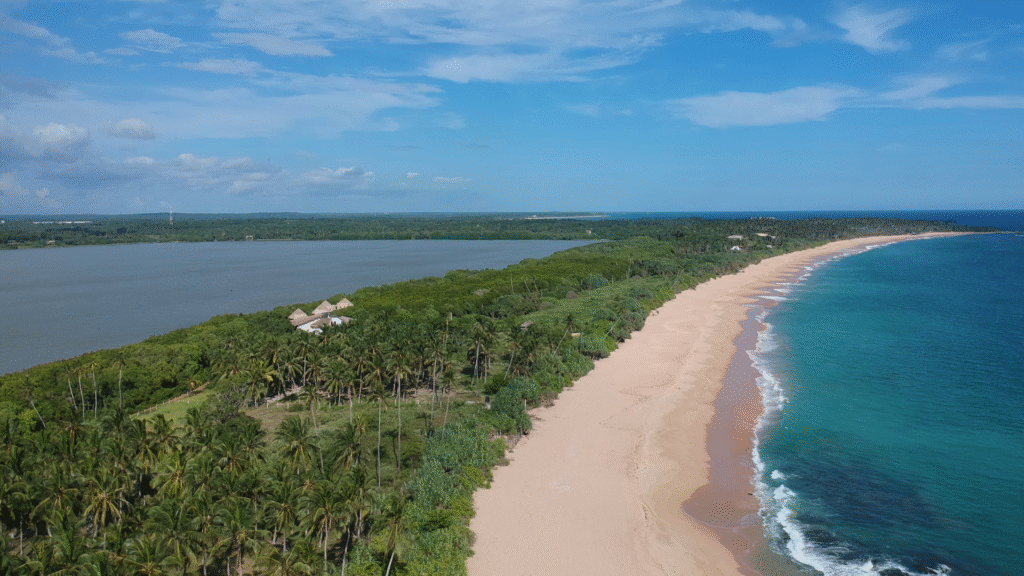
More Than a Wellness Retreat At Sen Wellness Sanctuary, we believe lasting wellbeing develops through thoughtful relationships, personalised guidance and an environment that allows people to slow down. Nature, nutrition, movement, therapeutic treatments, meaningful conversations and evidence-informed traditional healing practices all contribute to an experience designed to support long-term health.Many guests discover that the greatest transformation is not dramatic. It is rediscovering clarity, resilience and a deeper connection with themselves. Choosing the Right Wellness Destination Every wellness destination offers something valuable. Some focus on luxury. Some focus on fitness. Others focus on relaxation. Sen Wellness Sanctuary has chosen a different path. Our philosophy is centred on understanding the person before designing the programme. By combining decades of clinical experience, an understanding of Western lifestyles and the healing traditions of Sri Lanka, we aim to create deeply personalised wellness journeys that support meaningful, lasting change. Because the most meaningful journey is not simply travelling somewhere new. It is returning to yourself. Frequently Asked Questions Why choose Sri Lanka for a wellness retreat? Sri Lanka offers a unique combination of Ayurveda, tropical nature, meditation, personalised wellness experiences and a culture with centuries of healing traditions. When is the best time to visit Sri Lanka for a wellness retreat? Sri Lanka welcomes wellness travellers throughout the year. Many Europeans visit during the summer for a restorative tropical escape, while others choose autumn and winter to reset their health and wellbeing. What makes Sen Wellness Sanctuary different? Sen Wellness Sanctuary combines personalised programmes with decades of clinical experience, an understanding of Western lifestyles and the healing traditions of Sri Lanka. Every guest journey is designed around the individual rather than following a standard retreat schedule.

Why Choose Sri Lanka for a Wellness Retreat? A Guide for Summer and Winter Travellers Read More »